|
Parameter
|
Specification
|
|
Material Composition
|
Aluminum (Al), Nickel (Ni), Cobalt (Co), Iron (Fe), Copper (Cu)
|
|
Manufacturing Process
|
Powder metallurgy, pressing, sintering, and heat treatment
|
|
Magnet Type
|
Permanent Magnet
|
|
Shape
|
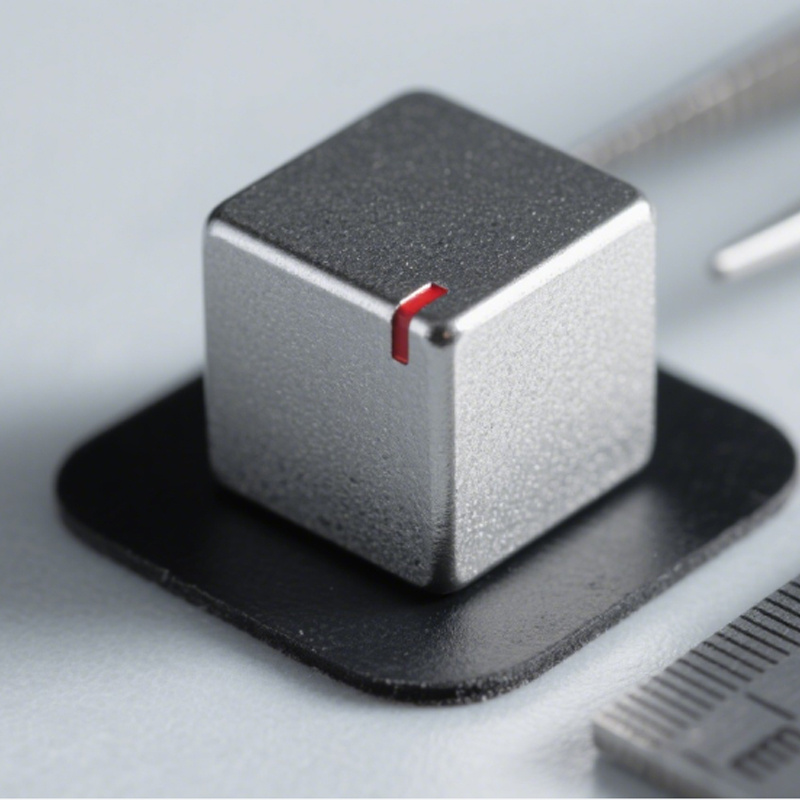
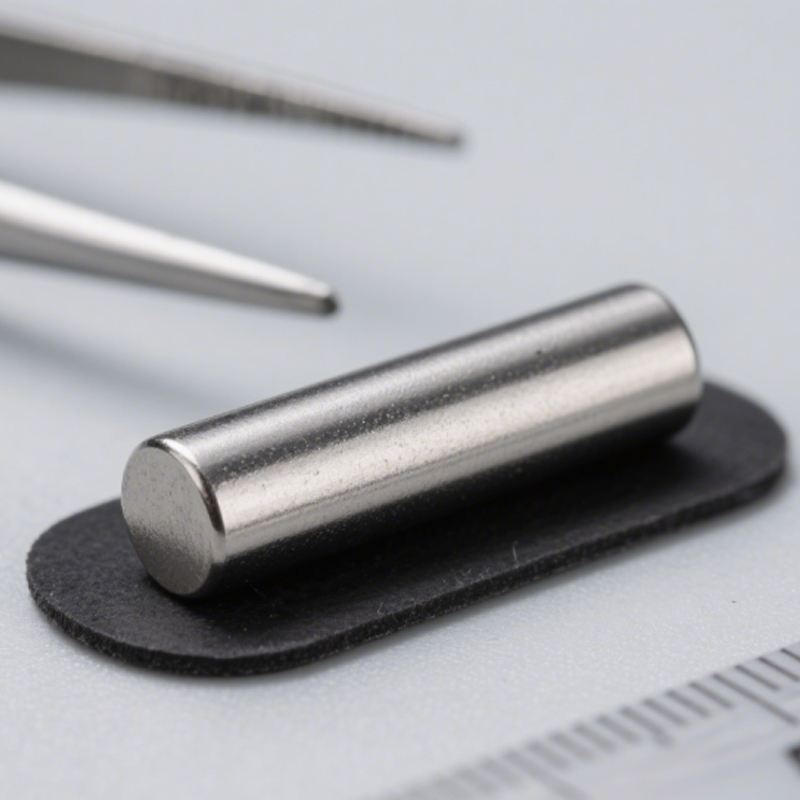
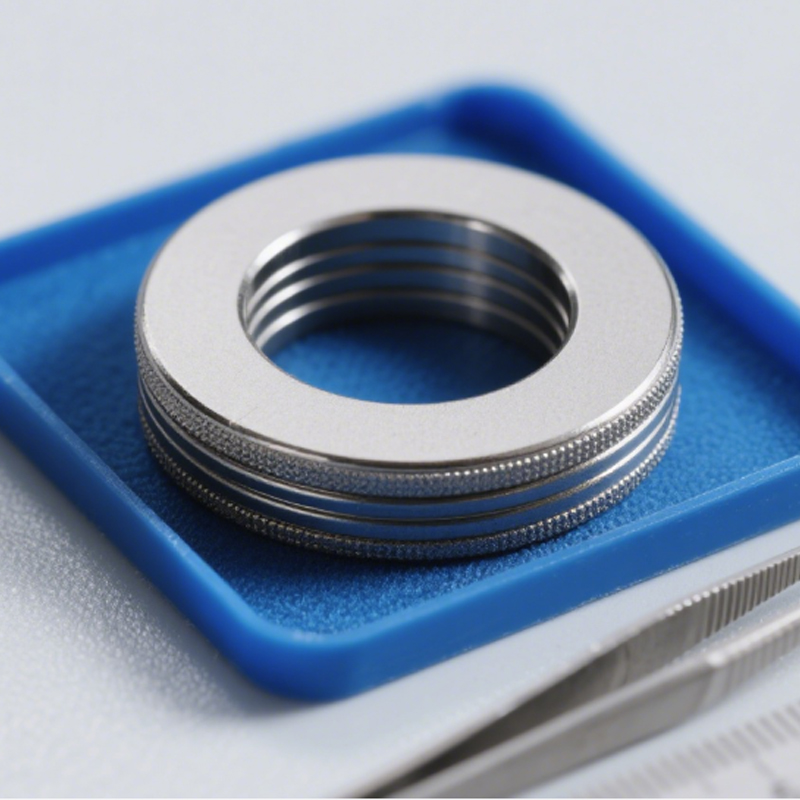
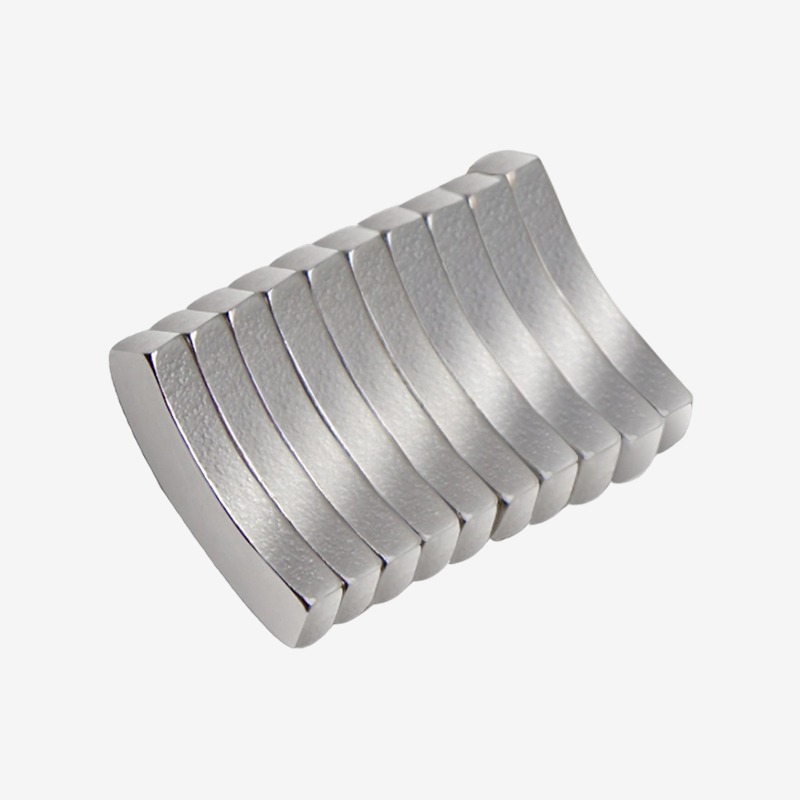
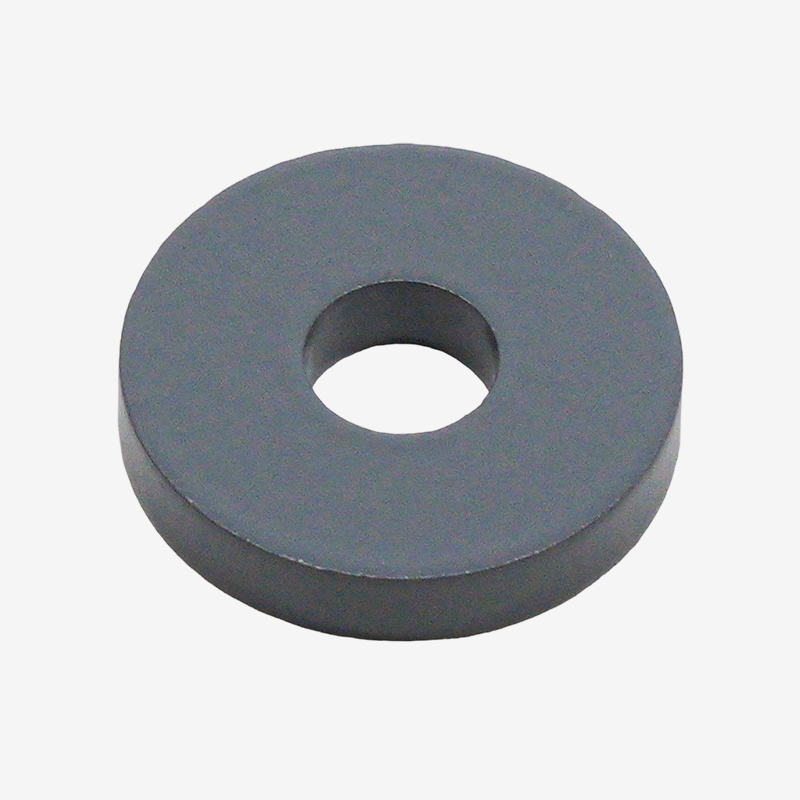
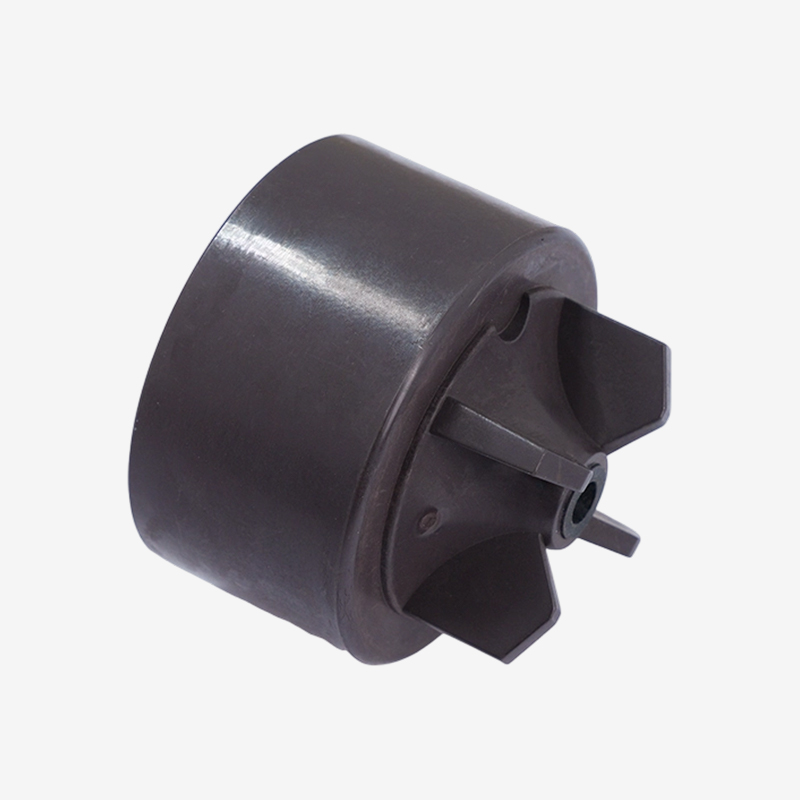
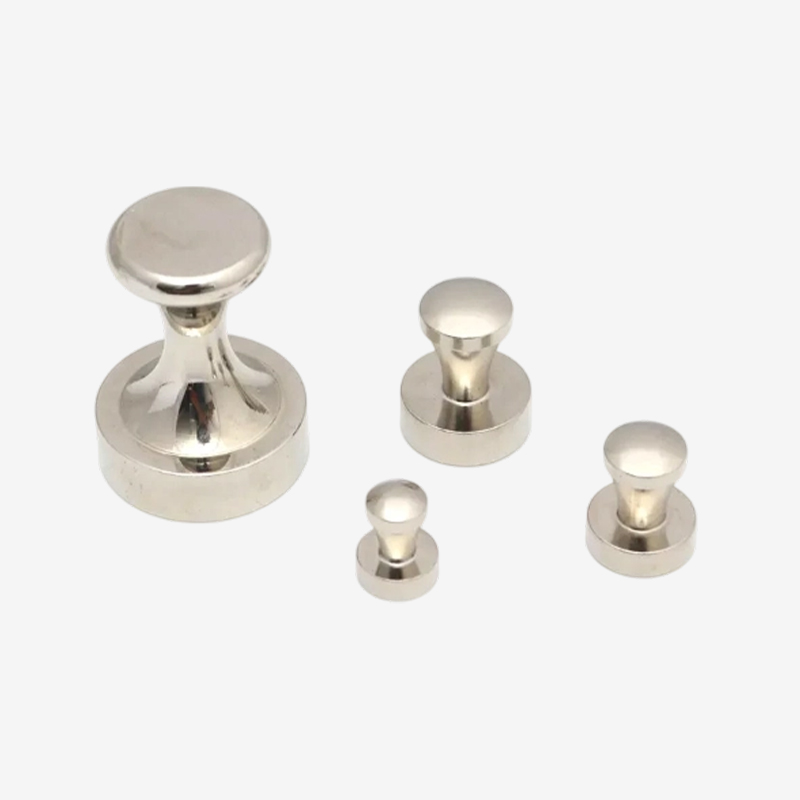
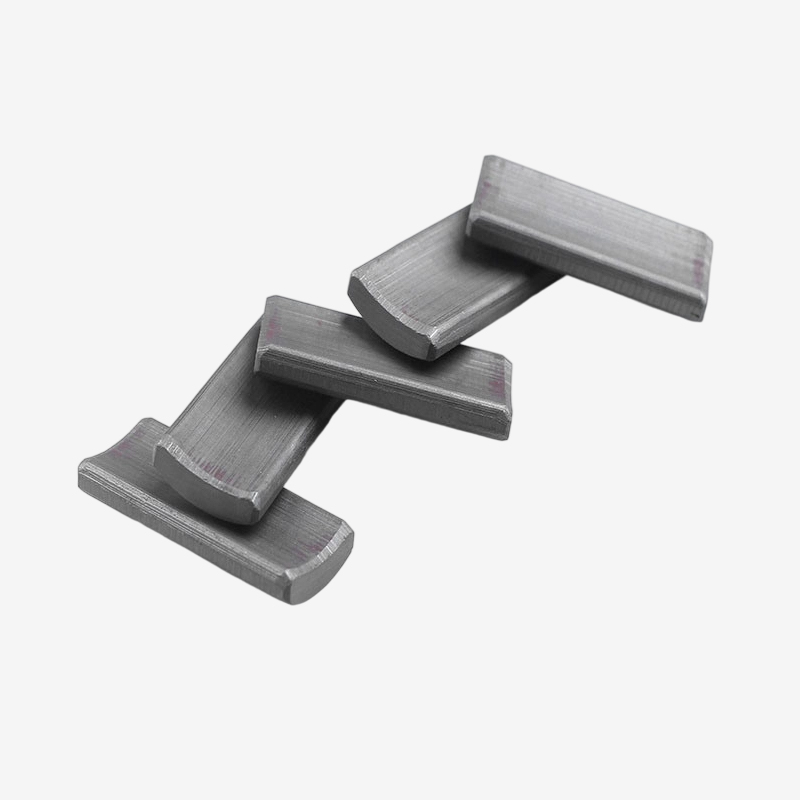
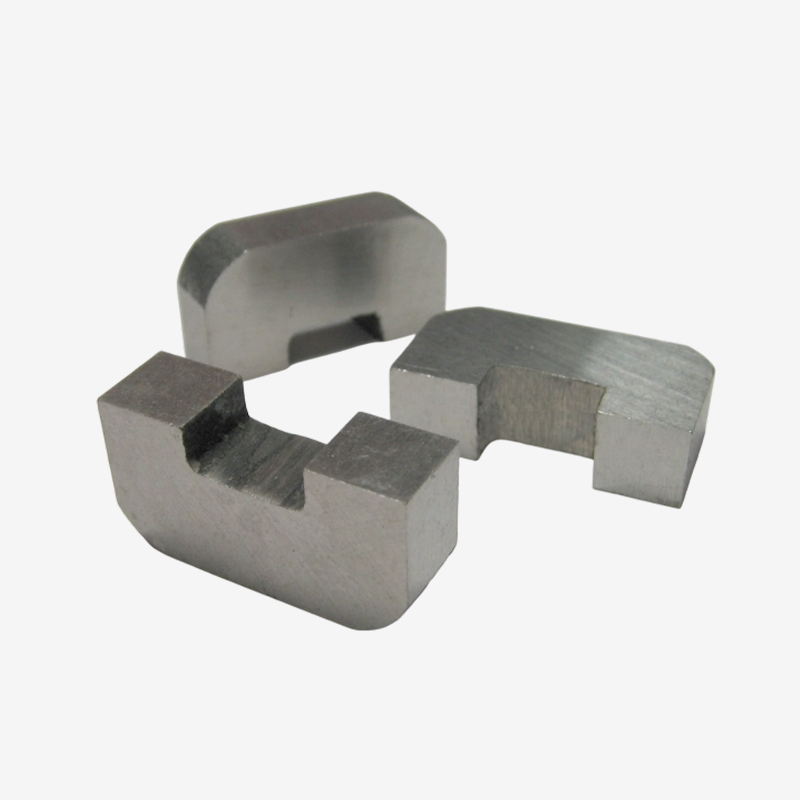
Ring, Rod, Block, Disc, Custom Shapes
|
|
Residual Induction (Br)
|
0.5–1.2 T (5,000–12,000 Gauss)
|
|
Coercivity (Hc)
|
30–60 kA/m
|
|
Maximum Energy Product ((BH)max)
|
1.1–9 MGOe (9–72 kJ/m³)
|
|
Operating Temperature
|
-65°C to 550°C
|
|
Curie Temperature
|
760–890°C
|
|
Reversible Temperature Coefficient (αBr)
|
-0.02%/°C
|
|
Density
|
6.9–7.3 g/cm³
|
|
Hardness
|
520–630 HV
|
|
Magnetic Structure
|
Isotropic / Anisotropic
|
|
Coating
|
None, Nickel, Epoxy, Custom
|
|
Type
|
Grade Example
|
Br (Remanence)
|
Features
|
Typical Applications
|
|
Isotropic (uniform magnetization)
|
Alnico 3
|
Lower
|
Easier to machine
|
General-purpose applications
|
|
Anisotropic (directional magnetization)
|
Alnico 5
|
1.1 – 1.2 T
|
Higher Br
|
Sensors, relays, precision applications
|
|
|
Alnico 8
|
1.1 – 1.2 T
|
Higher Br
|
Sensors, relays, precision applications
|
Sintered Alnico Magnets are widely used in:
Electronics: Micro-motors, relays, and magnetic switches (small size tolerance <1 oz).
Automotive: Fuel level sensors, speedometers (stable output under heat).
Industrial: Magnetic separators, holding devices (corrosion-resistant).
Consumer Audio: Guitar pickups (high acoustic clarity).
1. Stable at High Temperatures
Sintered Alnico Magnets operate from -65°C to 550°C with a Curie temperature of 760–890°C. Maintain stable magnetic properties where conventional rare-earth magnets may lose performance.
2. High Dimensional Accuracy for Precision Components
Powder metallurgy enables tighter dimensional control than cast Alnico. Ideal for small, complex parts like sensors, relays, and magnetic switches requiring consistent size and assembly accuracy.
3. Naturally Corrosion-Resistant — No Coating Needed
Alloy composition provides good oxidation resistance — no surface coating required in most industrial environments. Nickel or Epoxy coatings available when extra protection or solderability is needed.
4. Flexible Magnetic Design Options
Available in isotropic (uniform magnetization, easier processing) and anisotropic (higher directional magnetic output) grades — choose based on application needs.
Our OEM/ODM capabilities include:
Custom shapes and dimensions: Support ring, rod, block, disc, and special geometry designs according to customer drawings or samples.
Magnetic performance customization: Select suitable isotropic or anisotropic grades based on required magnetic strength and operating conditions.
Surface treatment options:
None: Standard due to oxidation resistance
Nickel (Ni): For solderability in electronics (e.g., PCB-mounted sensors)
Epoxy: Mechanical protection in industrial environments
Application-based optimization: Support customers in selecting suitable magnet grades for electronics, automotive, industrial equipment, and precision instruments.
Packaging
Standard Packaging:
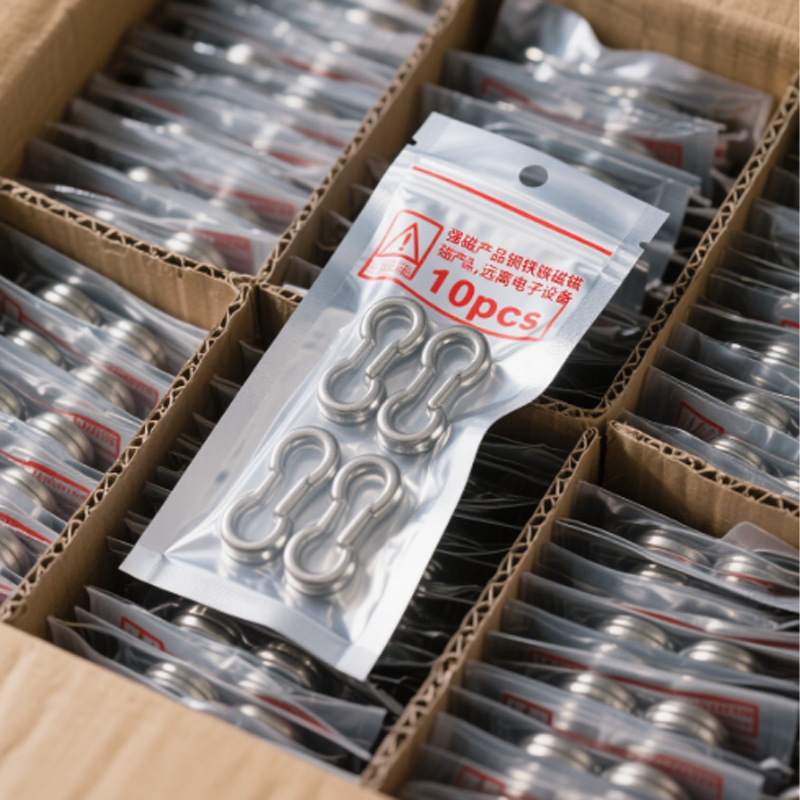
Anti-static foam or plastic wraps are used, with cartons and spacers to prevent magnets from attracting each other and causing damage during transportation.
Bulk Orders:
Products are packed with palletized packaging and moisture barriers. Magnetic shielding can be provided when required for air freight transportation.
Customized Packaging:
Packaging labels can include product specifications, magnetic grade, quantity, batch information, and customer requirements.

Problem 1: Magnetic Performance Degradation in High Temperature Environments
Many standard permanent magnets cannot maintain stable performance under high temperatures. Sintered Alnico Magnets can operate up to 550°C, providing a reliable solution for applications exposed to heat.
Problem 2: Difficulty Manufacturing Small Precision Magnetic Parts
Some magnetic materials are difficult to produce in small and complex structures. The powder metallurgy process of Sintered Alnico Magnets provides better dimensional accuracy, making them suitable for precision components.
Problem 3: High Maintenance Requirements Caused by Corrosion
For applications exposed to industrial environments, corrosion resistance is important. Sintered Alnico Magnets naturally resist oxidation and often do not require additional coatings, reducing maintenance requirements.
1. How do Sintered Alnico Magnets compare with Cast Alnico Magnets?
Sintered Alnico Magnets provide better dimensional accuracy and mechanical strength, making them more suitable for small and precision components. Cast Alnico magnets generally provide slightly higher magnetic performance.
2. Why choose Sintered Alnico Magnets instead of NdFeB magnets?
Sintered Alnico Magnets provide superior temperature stability, with operating temperatures up to 550°C, while NdFeB magnets may experience performance degradation at much lower temperatures. They are suitable for applications where heat resistance is more important than maximum magnetic strength.
3. Can Sintered Alnico Magnets be customized?
Yes. Manufacturers can customize shapes, dimensions, magnetic grades, and surface treatments according to customer drawings, samples, or application requirements.
4. Can Sintered Alnico Magnets be machined after production?
Yes, but due to their brittle characteristics, machining requires special methods such as diamond tools or EDM processing.
5. What factors affect the cost of Sintered Alnico Magnets?
The main cost factors include cobalt content, magnet grade, production process, size complexity, coating requirements, and order quantity.
6. What is the typical lead time for customized orders?
Customized production time depends on product specifications, tooling requirements, and order quantity. Specific delivery schedules can be confirmed according to project requirements.
7. Are samples available before mass production?
Yes. Sample production can be arranged for customers to verify dimensions, magnetic performance, and application compatibility before bulk orders.
8. What industries commonly purchase Sintered Alnico Magnets?
They are commonly purchased by manufacturers in electronics, automotive, industrial automation, instrumentation, and audio equipment industries that require stable magnetic components.


 English