|
Product Name
|
Sintered NdFeB Magnets
|
|
Material Composition
|
Neodymium (Nd), Iron (Fe), Boron (B)
|
|
Magnet Type
|
Rare Earth Permanent Magnet
|
|
Magnet Shapes
|
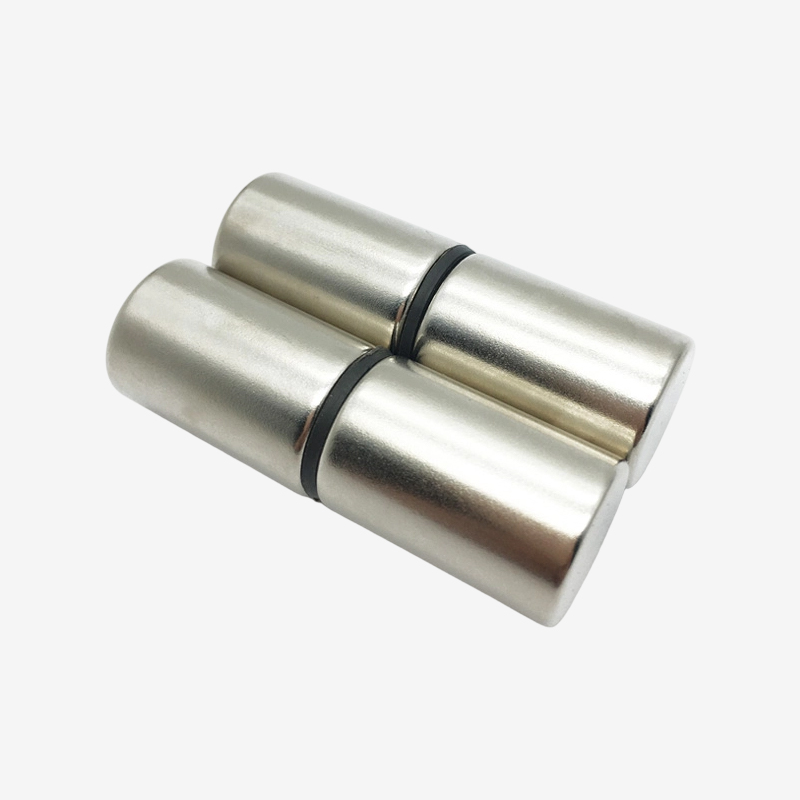
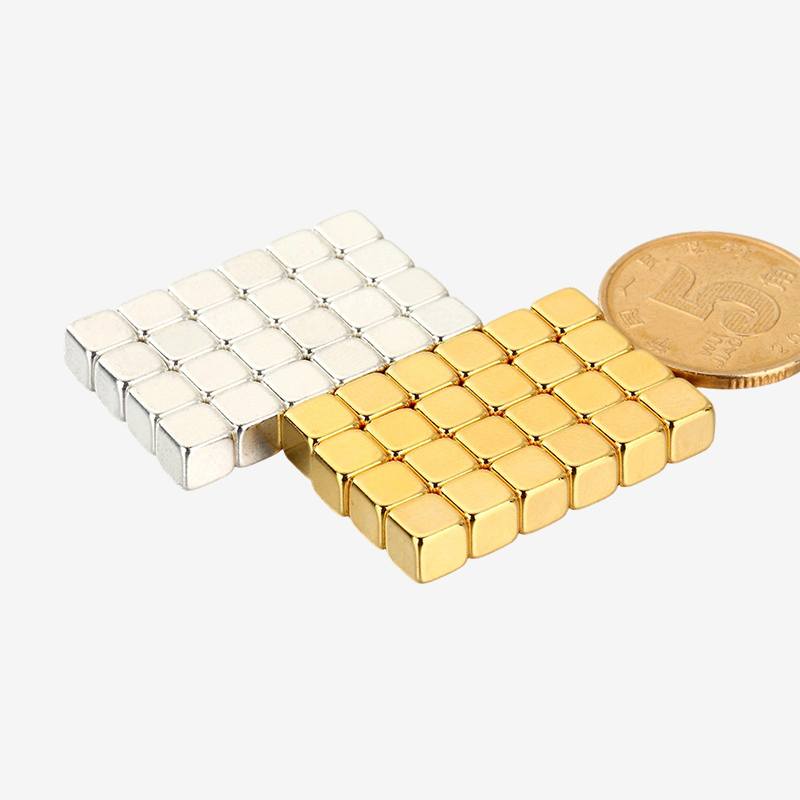
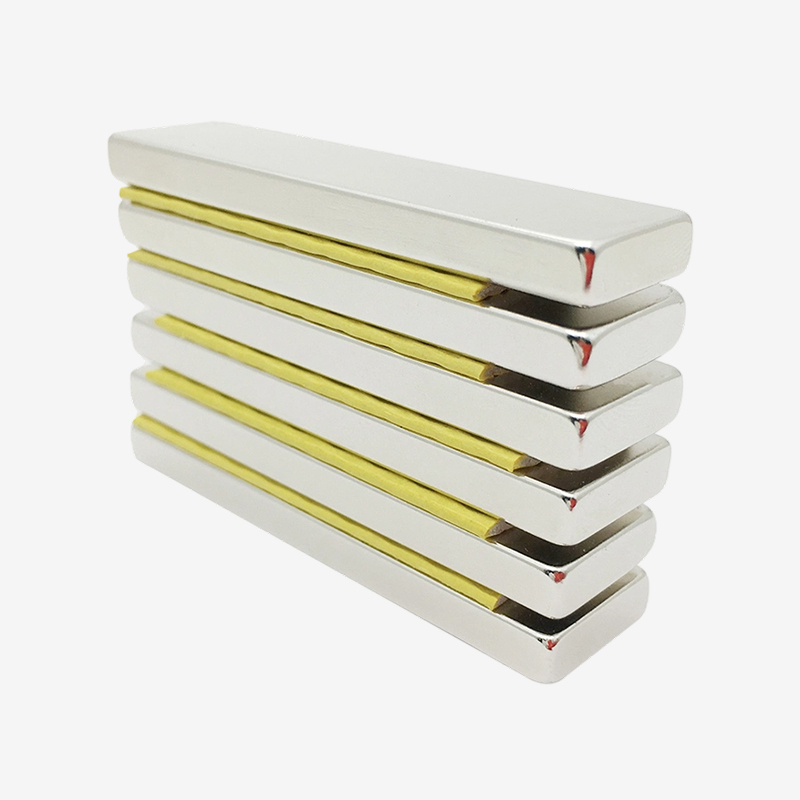
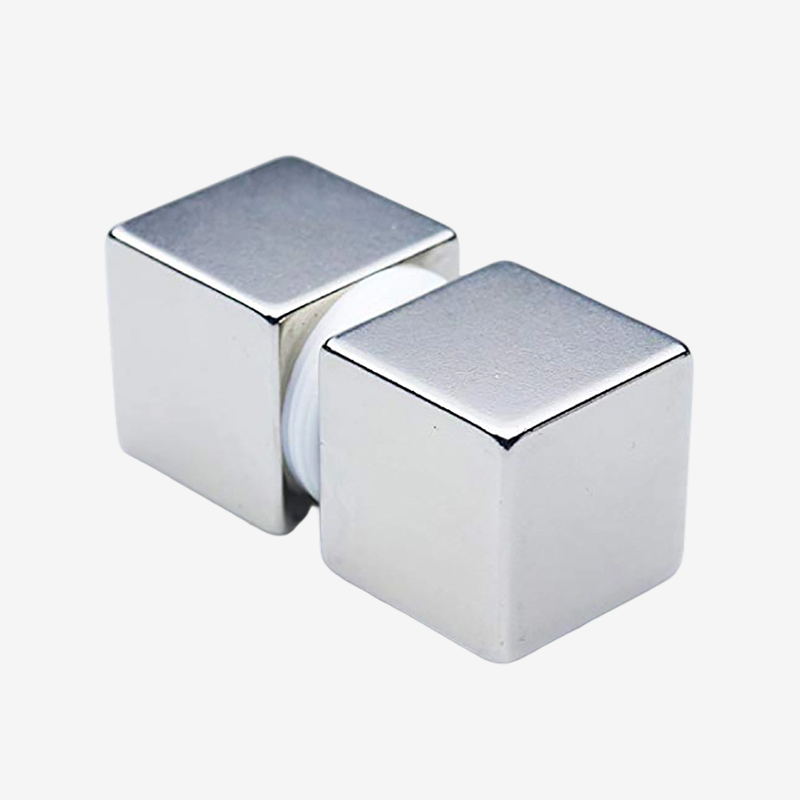
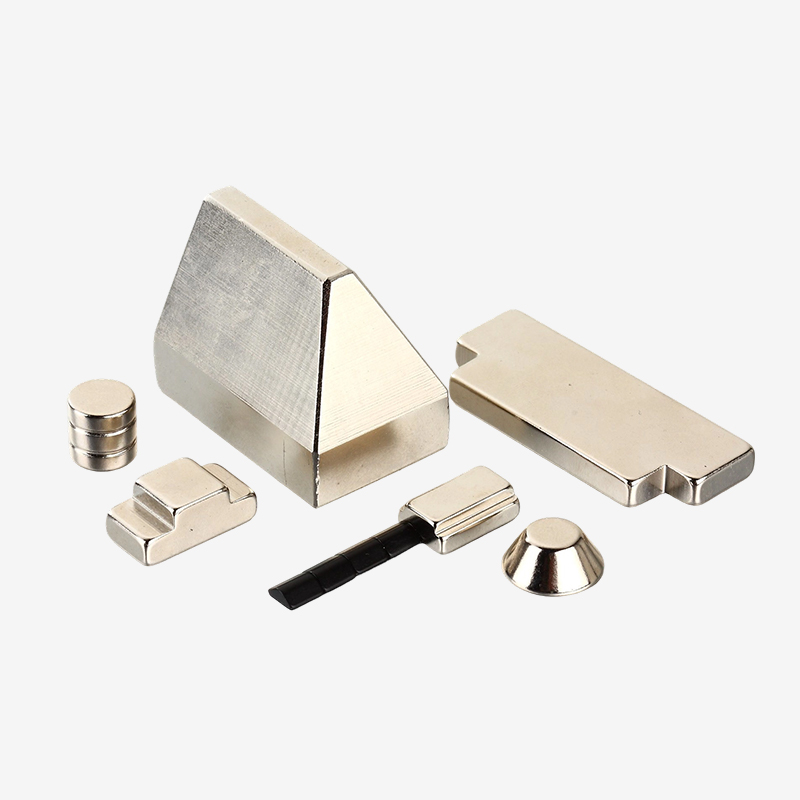
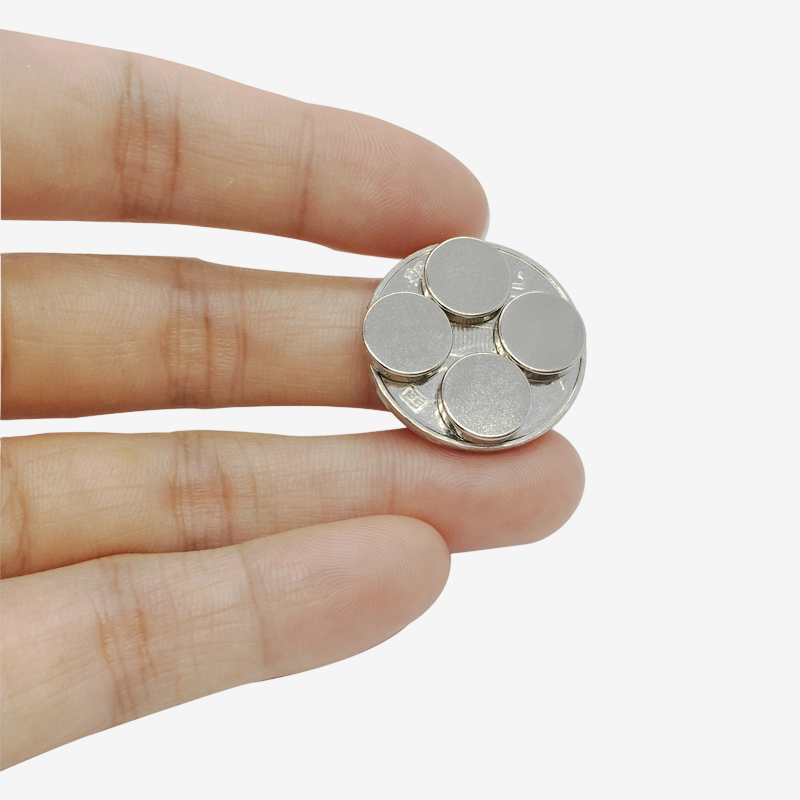
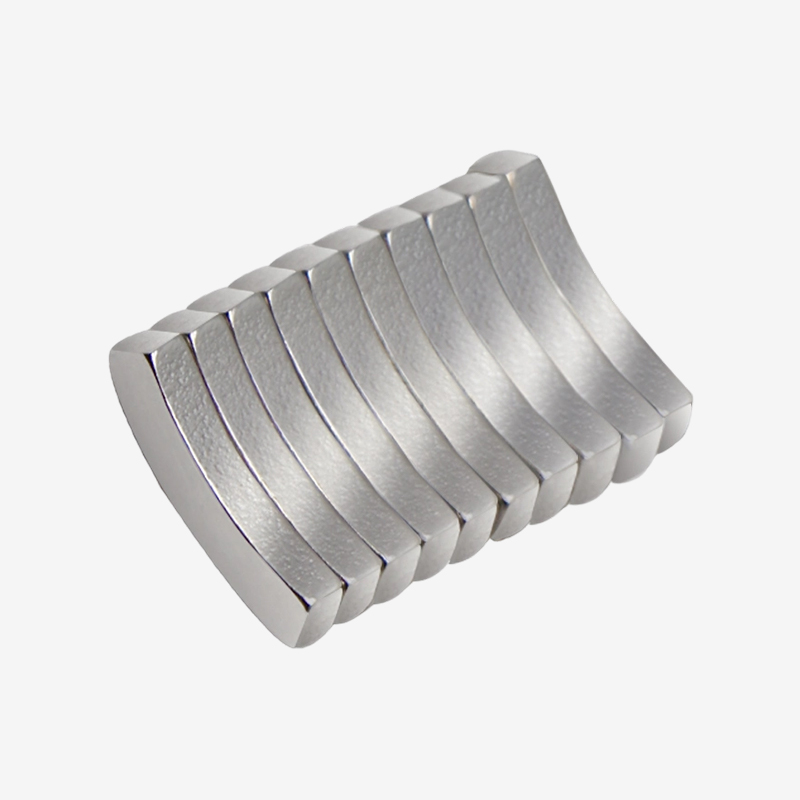
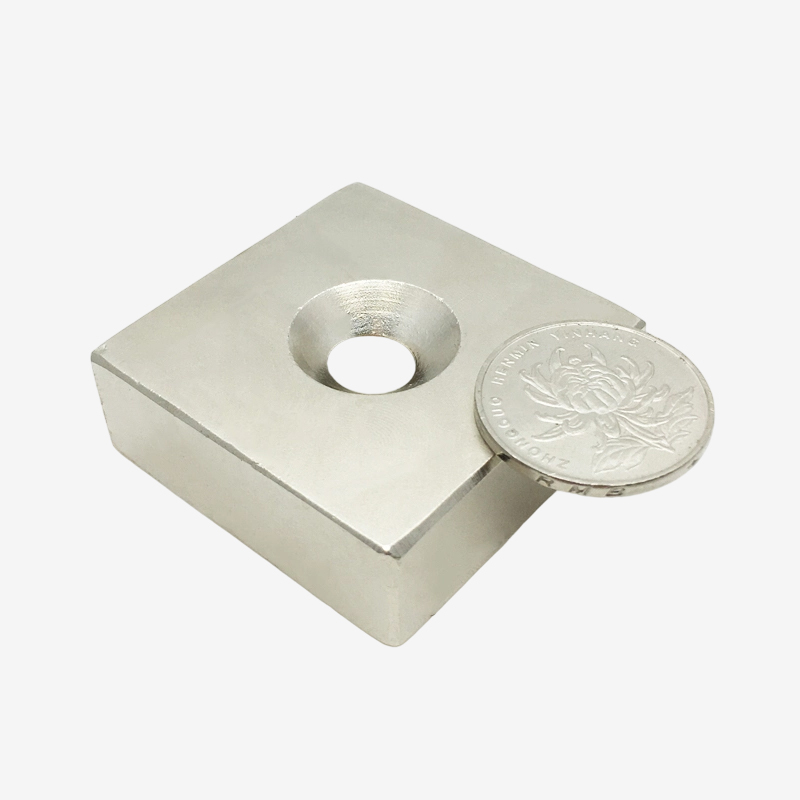
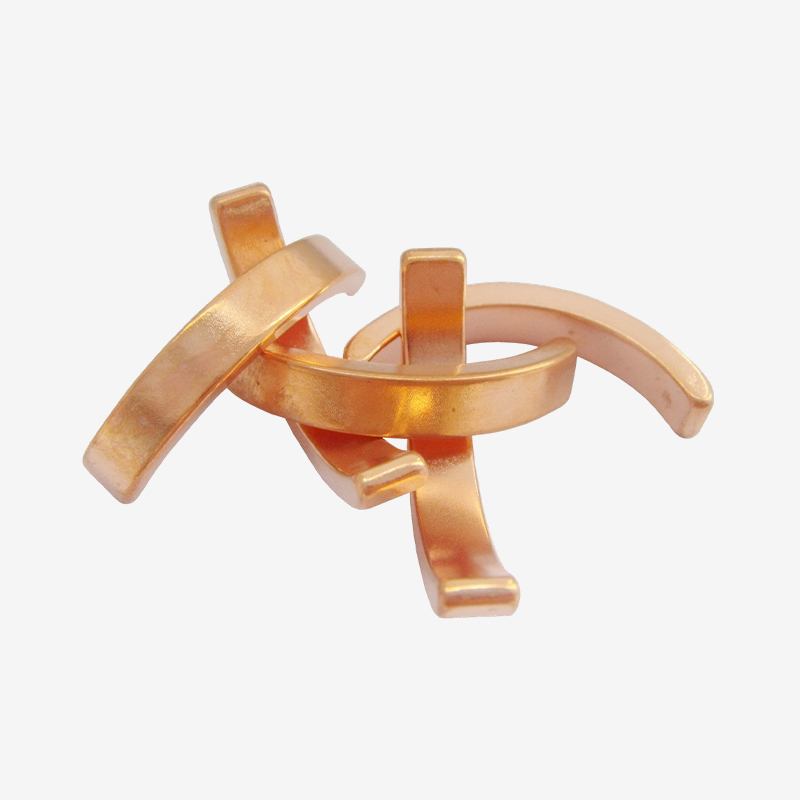
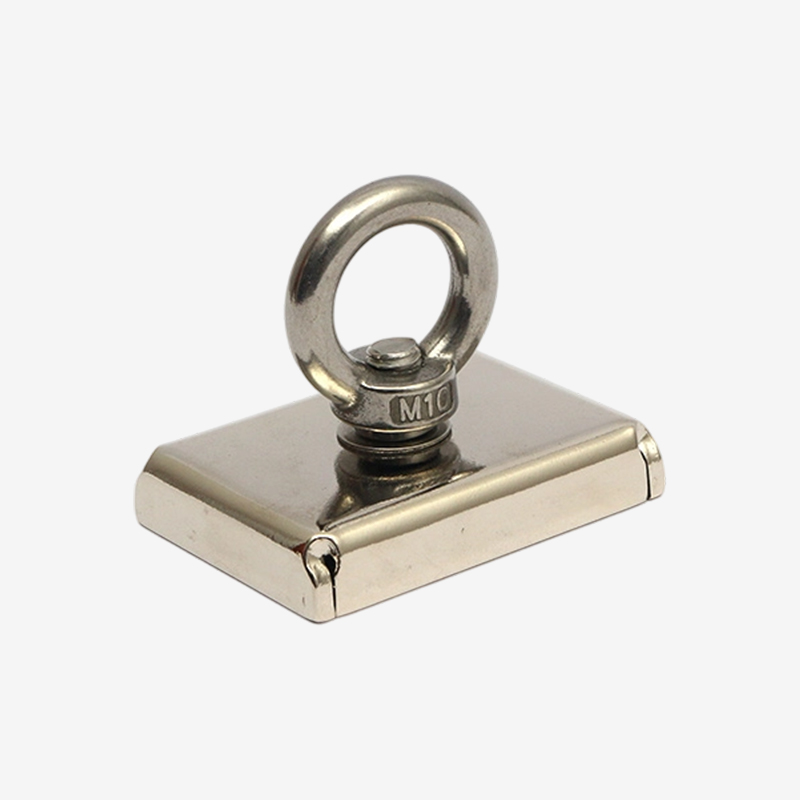
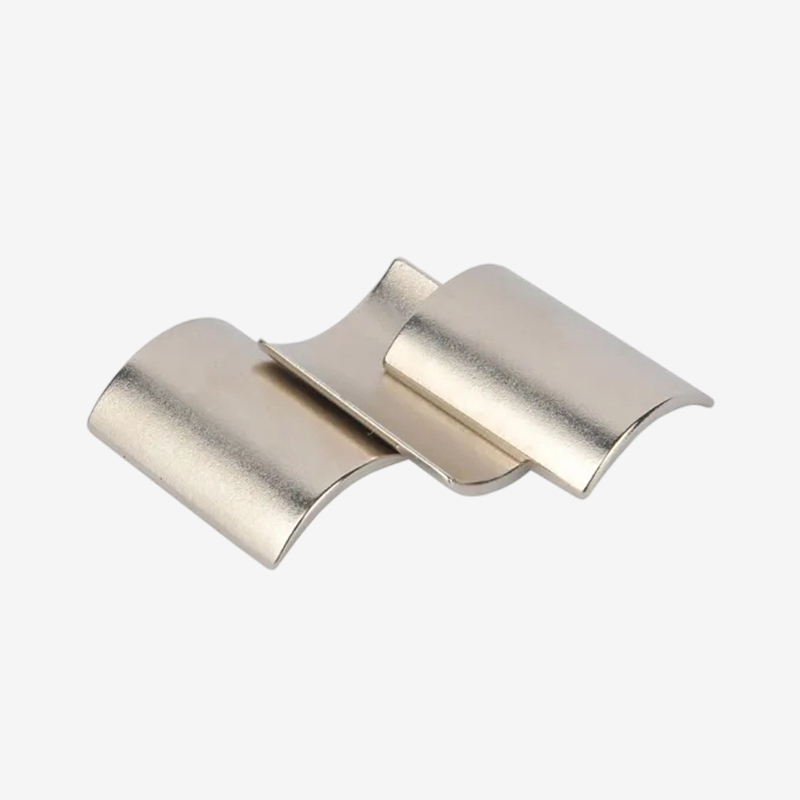
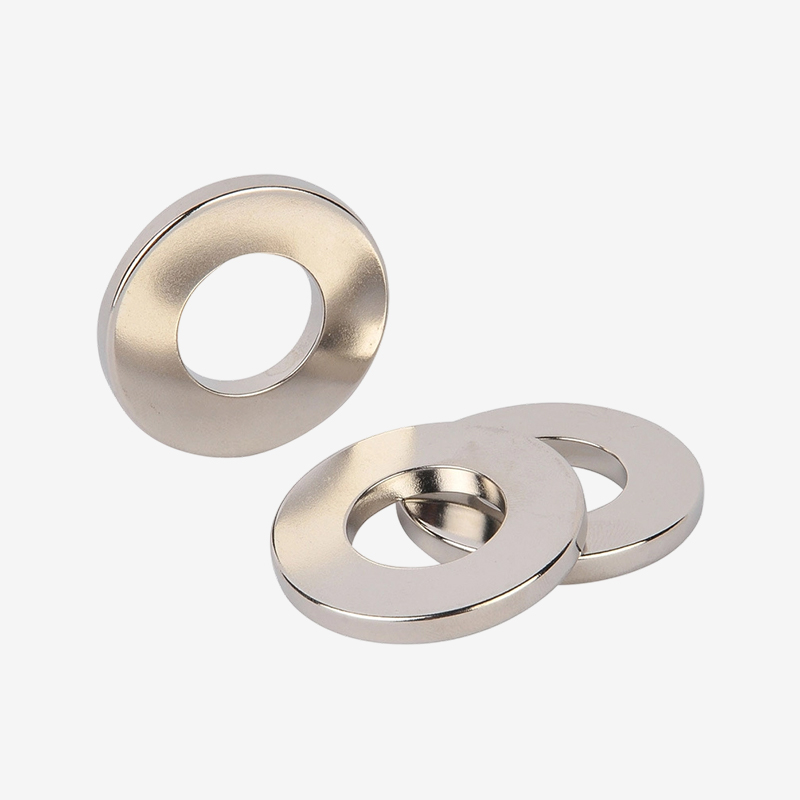
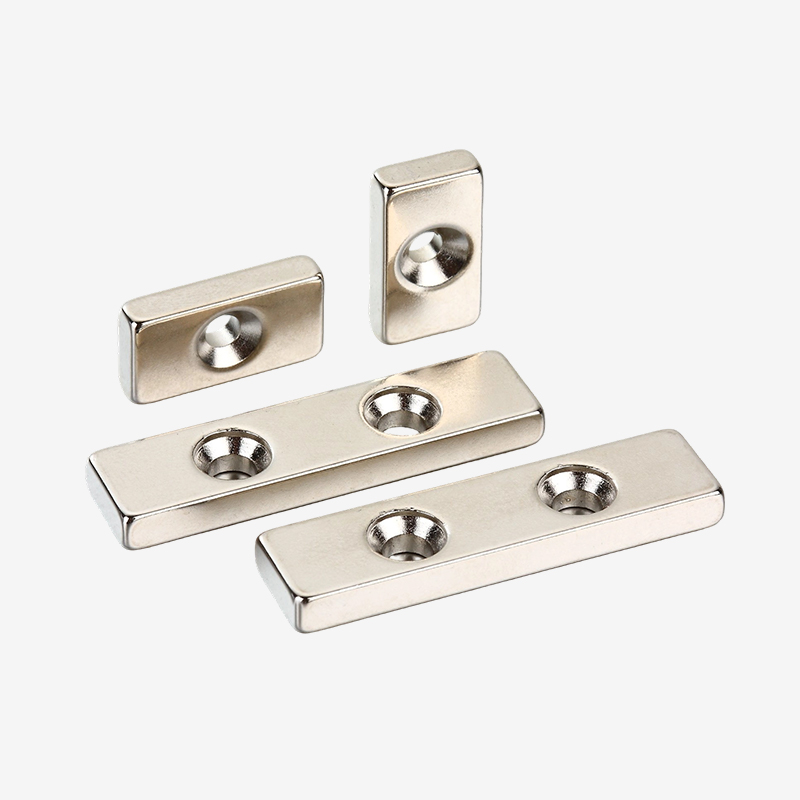
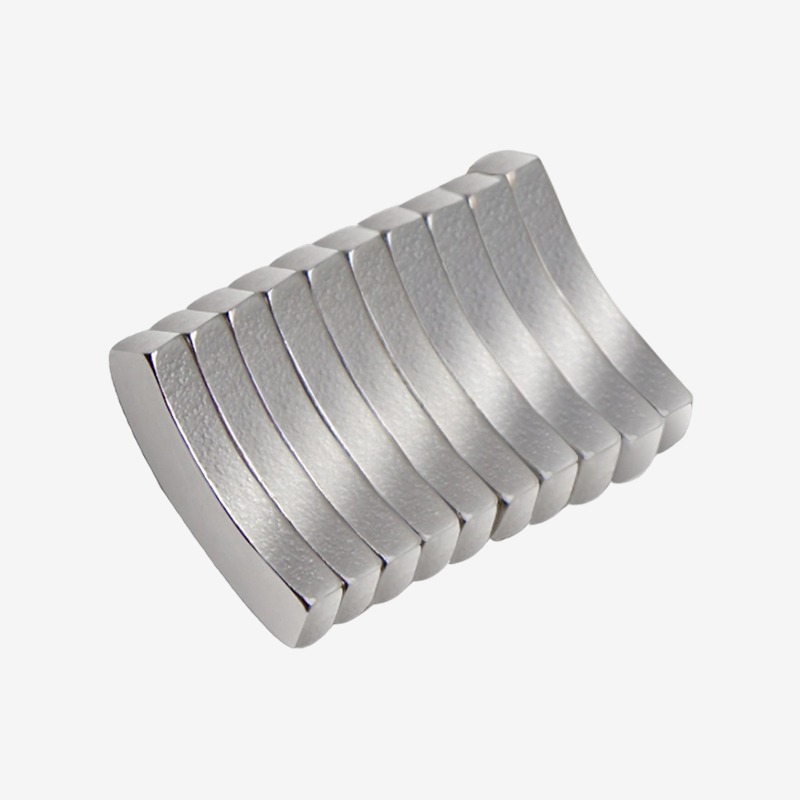
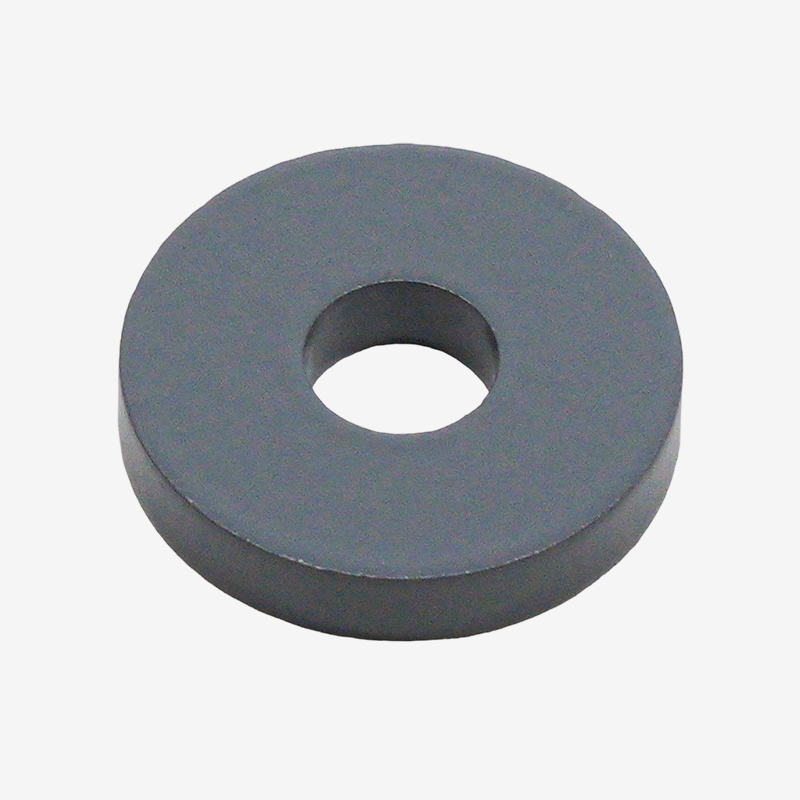
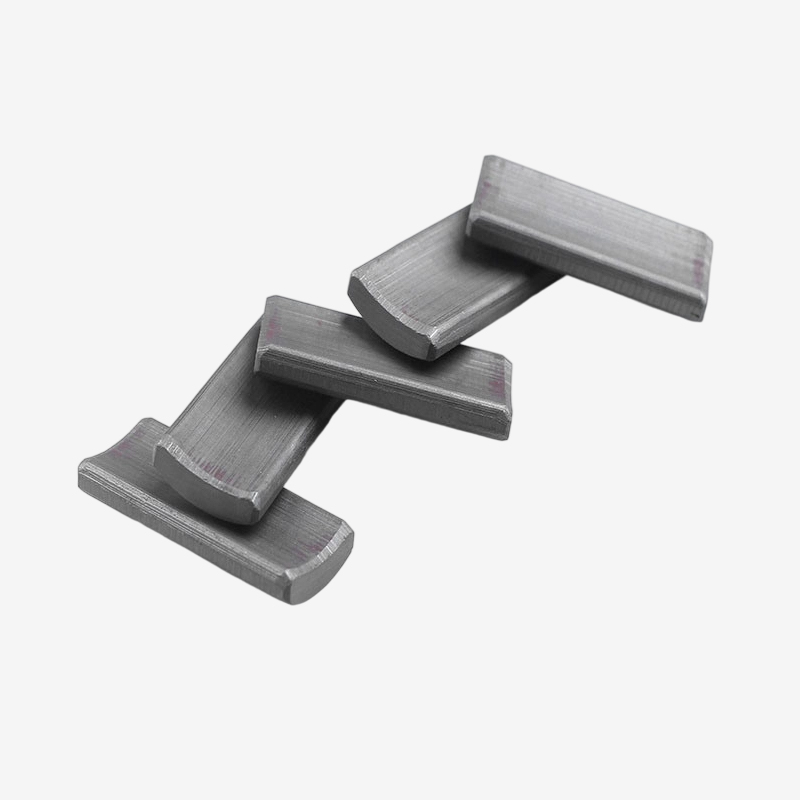
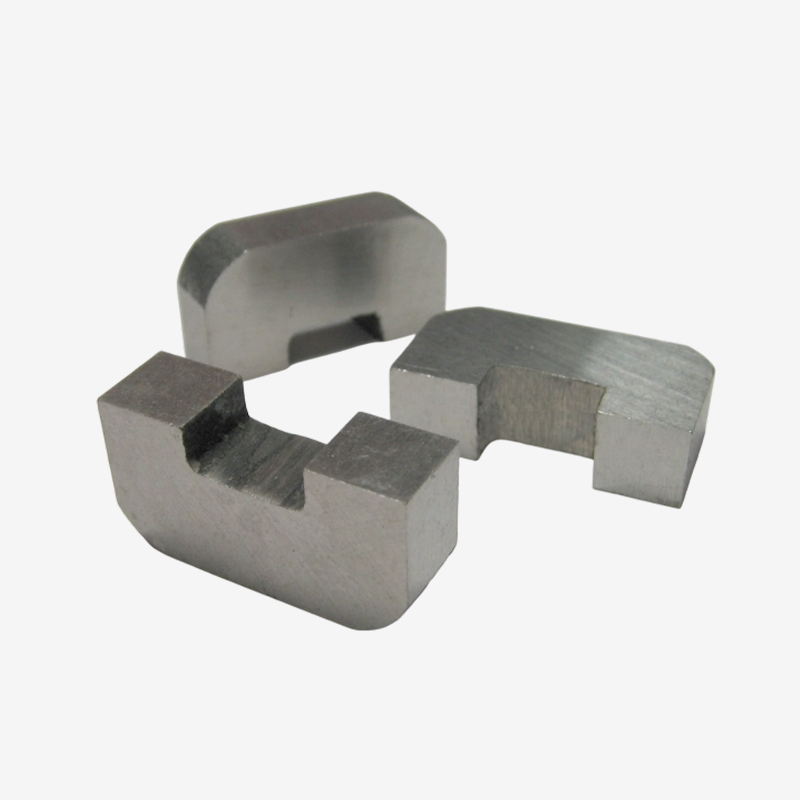
Block, Cylinder, Ring, Arc, Custom Geometry
|
|
Dimension Range
|
Millimeters to tens of centimeters
|
|
Machining Tolerance
|
Up to ±0.01mm for precision applications
|
|
Magnetic Parameters
|
Remanence (Br), Coercivity (HcB), Intrinsic Coercivity (Hcj), Maximum Energy Product (BH)max
|
|
Curie Temperature (Tc)
|
|
|
Density
|
|
|
Hardness
|
|
|
Flexural Strength
|
|
|
Magnetization Direction
|
Preferred magnetization direction due to anisotropic structure
|
|
Standard
|
IEC 60404-8-1
|
|
Surface Treatment
|
Ni-Cu-Ni, Zinc, Epoxy, Gold, Parylene
|
|
Custom Shape
|
Available
|
|
Custom Size
|
Available
|
|
Custom Grade
|
Available
|
|
Grade Series
|
(BH)max Range (MGOe)
|
Max. Operating Temperature
|
Description
|
|
N35 – N52
|
35 – 52
|
80°C
|
Standard temperature series
|
|
35M – 50M
|
35 – 50
|
100°C
|
Medium coercivity series
|
|
35H – 48H
|
35 – 48
|
120°C
|
High coercivity series
|
|
35SH – 45SH
|
35 – 45
|
150°C
|
Very high coercivity series
|
|
30UH – 40UH
|
30 – 40
|
180°C
|
Ultra-high coercivity series
|
|
30EH – 38EH
|
30 – 38
|
200°C
|
Extremely high coercivity series
|
|
28TH – 35TH
|
28 – 35
|
230°C
|
Super high coercivity series (highest temperature resistance)
|
Naming Rule Explanation
·Number (e.g., 35, 52): Indicates maximum energy product (BH)max in MGOe — higher number means stronger magnetic performance
·Suffix Letter (e.g., M, H, SH, UH, EH, TH): Indicates coercivity/temperature rating — later letters indicate higher temperature resistance
Higher grade numbers indicate higher magnetic energy capability, while suffix letters indicate improved temperature stability and coercivity performance.
Electronics: hard disk drives, smartphone vibration motors, speakers
Automotive: electric vehicle motors, EPS systems, sensors
Renewable Energy: wind turbine generators, magnetic levitation systems
Industrial Machinery: servo motors, magnetic separators, actuators
Medical Devices: MRI machines, dental tools, drug delivery systems
Aerospace: satellite components, guidance systems
Consumer Products: headphones, magnetic clasps, power tools
Core Functions and Advantages
High Magnetic Strength for Compact Product Designs
Sintered NdFeB Magnets offer the highest energy product among commercial permanent magnets, allowing manufacturers to achieve stronger magnetic force in smaller components. This advantage helps engineers reduce product size and weight while maintaining required magnetic performance, especially in applications where installation space is limited.
Stable Magnetic Performance for Industrial Applications
The performance of Sintered NdFeB Magnets is controlled through precise material composition, powder alignment, sintering processes, machining, and magnetization procedures. Key magnetic properties including remanence (Br), coercivity (HcB, Hcj), and maximum energy product (BH)max allow customers to select suitable magnet grades based on performance requirements.
Precision Machining for Customized Components
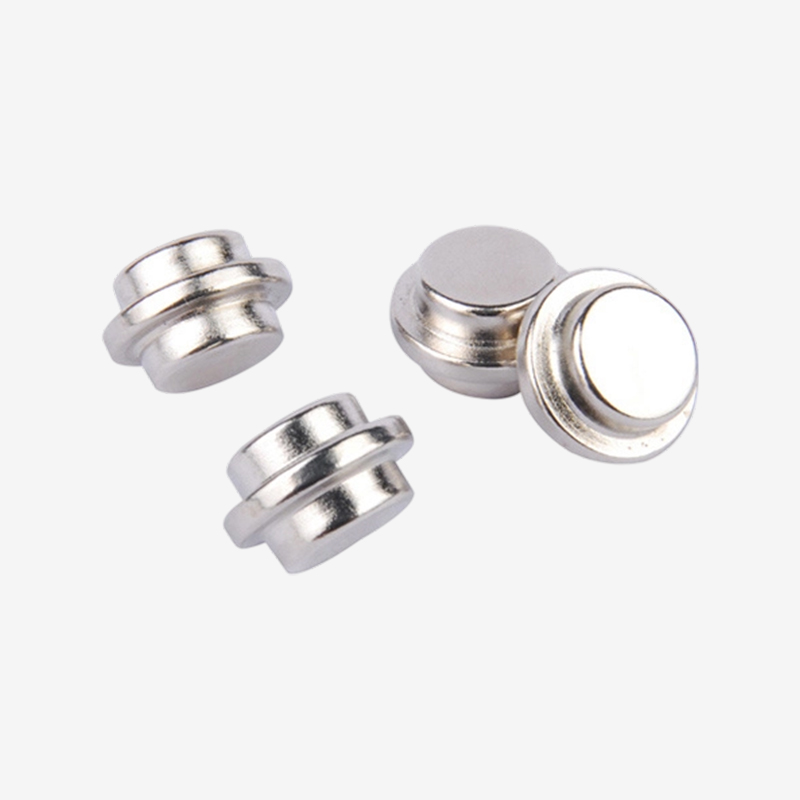
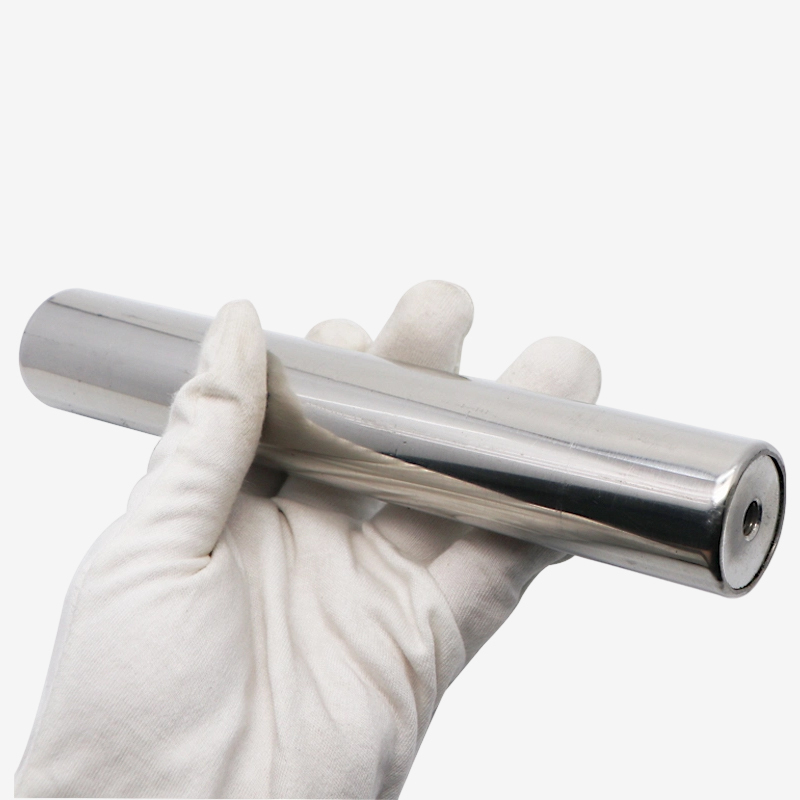
Sintered NdFeB Magnets can be manufactured into different structures including blocks, cylinders, rings, arcs, and customized geometries. For precision applications, machining tolerances can reach ±0.01mm, helping OEM customers achieve accurate assembly dimensions and consistent product performance.
Multiple Surface Coatings for Corrosion Protection
Because Sintered NdFeB Magnets contain iron, they require protective coatings to prevent oxidation and improve durability. Common coating options include Ni-Cu-Ni plating for general corrosion resistance, Zinc plating for economical protection, Epoxy coating for harsh environments, Gold plating for specialized applications, and Parylene coating for thin and uniform protection.
Flexible Magnetic Grade Selection for Different Working Conditions
Different Sintered NdFeB Magnets grades provide different magnetic strength and temperature resistance. Customers can select standard temperature grades for general applications or high-temperature grades for industrial environments requiring improved thermal stability.
Customization options include:
Custom shapes: block magnets, cylinder magnets, ring magnets, arc magnets, special geometries
Custom dimensions: different sizes and precision machining requirements
Custom magnetic grades: different magnetic energy levels and temperature resistance requirements
Custom magnetization directions: specific magnetic orientation according to product structure
Custom surface coatings: Ni-Cu-Ni, Zinc, Epoxy, Gold, Parylene coatings
Custom packaging: packaging solutions according to transportation and handling requirements
Packaging
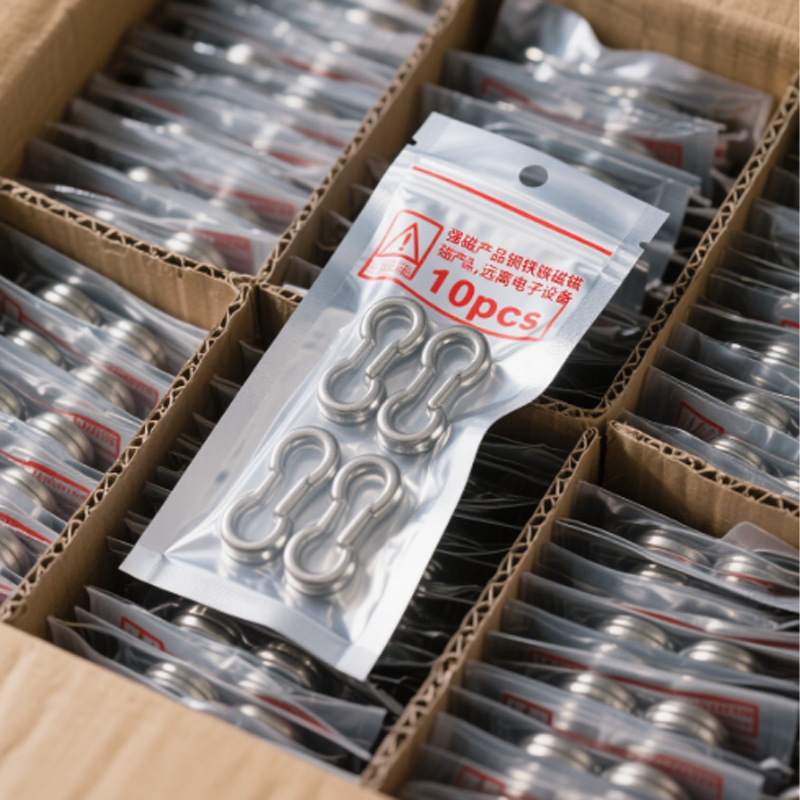
Proper packaging is important for Sintered NdFeB Magnets because strong magnetic force may affect transportation safety and nearby electronic equipment.
For small magnets, standard packaging includes anti-static plastic bags or trays placed inside cardboard boxes with foam inserts to prevent movement and damage during transportation. For bulk orders, rigid cartons with dividers or vacuum-sealed bags are commonly used. Large or heavy magnets can be packed in wooden crates with protective padding to ensure safe transportation.
For air transportation, magnetic shielding packaging using steel or mu-metal sheets may be required to comply with IATA transportation regulations.
Each package can include product identification information:
Magnet information: magnet grade, dimensions, quantity, coating type, handling instructions
Customized packaging solutions are available according to customer requirements, transportation methods, and application environments.

Reducing Component Size While Maintaining Magnetic Performance
Many industrial products require smaller and lighter components without reducing performance. Sintered NdFeB Magnets provide high magnetic energy in compact sizes, helping customers optimize product structures and improve design efficiency.
Improving Corrosion Resistance and Product Reliability
Corrosion resistance is a major concern for NdFeB magnet applications because of the iron content in the material. Selecting suitable coatings such as Ni-Cu-Ni, Epoxy, Zinc, Gold, or Parylene helps improve durability and maintain stable performance in different environments.
Meeting Customized Product Requirements
Standard magnets may not meet specific assembly or performance requirements. Through OEM/ODM customization, customers can obtain Sintered NdFeB Magnets with customized shapes, sizes, grades, coatings, and magnetization directions.
Ensuring Stable Supply for Mass Production
Industrial buyers require consistent product quality and reliable supply chains. Customized Sintered NdFeB Magnets production can support repeated orders, large-volume manufacturing, and long-term cooperation requirements.
1. What are Sintered NdFeB Magnets?
Sintered NdFeB Magnets are permanent magnets made from neodymium, iron, and boron. They provide high magnetic performance and are widely used in industrial, automotive, electronic, and energy applications.
2. Why do Sintered NdFeB Magnets need surface coatings?
Sintered NdFeB Magnets contain iron, which can oxidize when exposed to moisture and air. Protective coatings such as Ni-Cu-Ni, Zinc, Epoxy, Gold, and Parylene help improve corrosion resistance and service life.
3. How do I choose the right NdFeB magnet grade?
The suitable grade depends on magnetic strength requirements, operating temperature, and application environment. Higher grade numbers provide higher magnetic energy, while suffix letters indicate improved temperature resistance.
4. Can Sintered NdFeB Magnets be customized?
Yes. Manufacturers can customize Sintered NdFeB Magnets according to customer requirements, including shape, dimensions, tolerance, magnetic grade, magnetization direction, coating, and packaging.
5. Can Sintered NdFeB Magnets be magnetized in any direction?
No. Sintered NdFeB Magnets are anisotropic materials and have a preferred magnetization direction. The magnetization direction should be considered during product design.
6. Are Sintered NdFeB Magnets safe to handle?
Strong magnets should be handled carefully because they can cause pinching injuries, damage electronic devices, and affect pacemakers. Proper handling procedures should be followed during storage and assembly.
7. Can NdFeB magnets be recycled?
Yes. Rare earth elements in NdFeB magnets can be recovered through specialized recycling processes, allowing valuable materials to be reused.


 English