|
Parameter
|
Value
|
|
Product Name
|
Bonded NdFeB Magnet
|
|
Material Composition
|
NdFeB Magnetic Powder + Polymer Binder
|
|
Common Binders
|
Epoxy Resin, Nylon, PPS
|
|
Manufacturing Process
|
Injection Molding, Compression Molding, Extrusion
|
|
Magnet Structure
|
Isotropic (commonly used), Anisotropic (available for higher performance requirements)
|
|
Magnetic Remanence (Br)
|
0.6–1.1 T
|
|
Coercivity (Hcj)
|
600–1600 kA/m
|
|
Maximum Energy Product ((BH)max)
|
6–18 MGOe
|
|
Working Temperature
|
-40°C to 150°C depending on binder type
|
|
Density
|
5.0–6.1 g/cm³
|
|
Hardness
|
Shore D 70–85
|
|
Injection Molding Tolerance
|
±0.05mm
|
|
Injection Molded Wall Thickness
|
Down to 0.5mm
|
|
Shape Capability
|
Complex 3D Shapes, Thin Walls, Integrated Structures
|
|
Surface Treatment
|
Epoxy Painting, Nickel Plating, Parylene Coating
|
|
Custom Design
|
Available
|
|
Grade Example
|
Description
|
Max. Operating Temperature
|
Performance Level
|
Features
|
|
QP-10/5
|
Low cost, general purpose
|
—
|
Low
|
Economical, for general use
|
|
QP-15/7
|
Medium performance
|
—
|
Medium
|
Balanced performance and cost
|
|
QP-20/9
|
High performance
|
—
|
High
|
Strong magnetic performance
|
|
QP-18/120
|
Heat-resistant (HT grade)
|
120°C
|
Medium-High
|
Suitable for high-temperature environments
|
|
BMF-12H
|
12 MGOe, heat-resistant up to 120°C
|
120°C
|
Medium
|
Proprietary grade, indicates (BH)max and temperature rating
|
Electronics: micro-motors in hard disk drives, printers, camera modules, sensors
Automotive: ABS sensors, fuel injectors, dashboard motors, HVAC systems
Consumer Goods: toys, power tools, magnetic closures, headphones
Medical Devices: miniature pumps, surgical instruments, hearing aids
Industrial: linear actuators, robotics, encoders, magnetic couplings
Complex Shape Manufacturing Capability
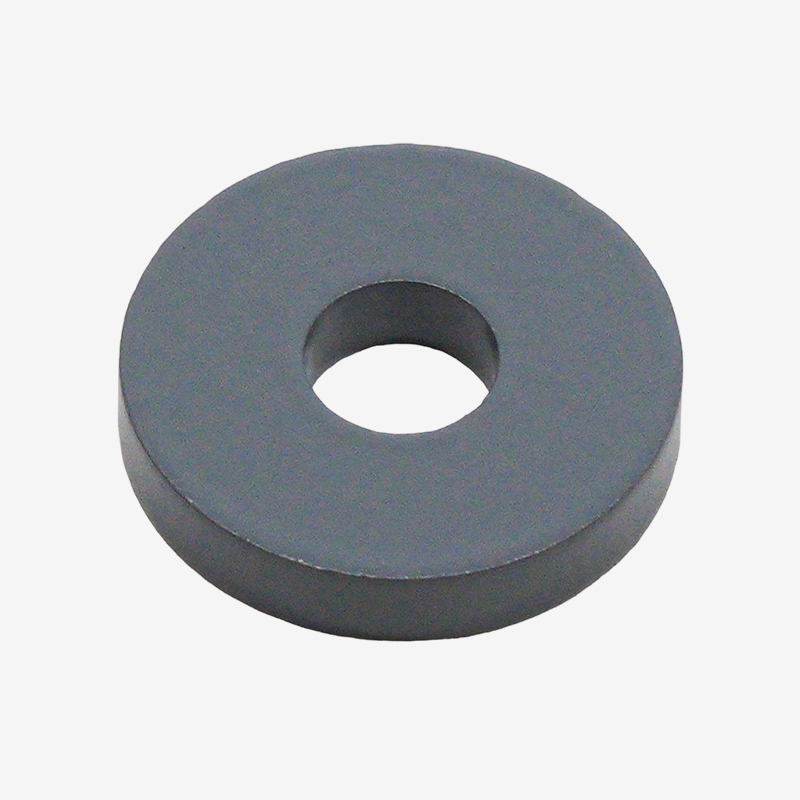
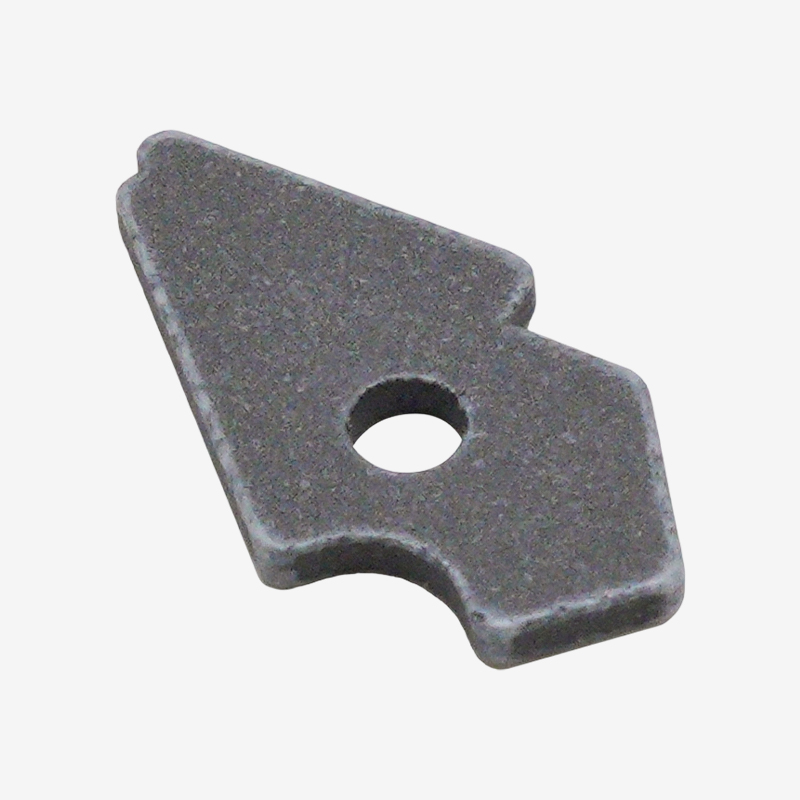
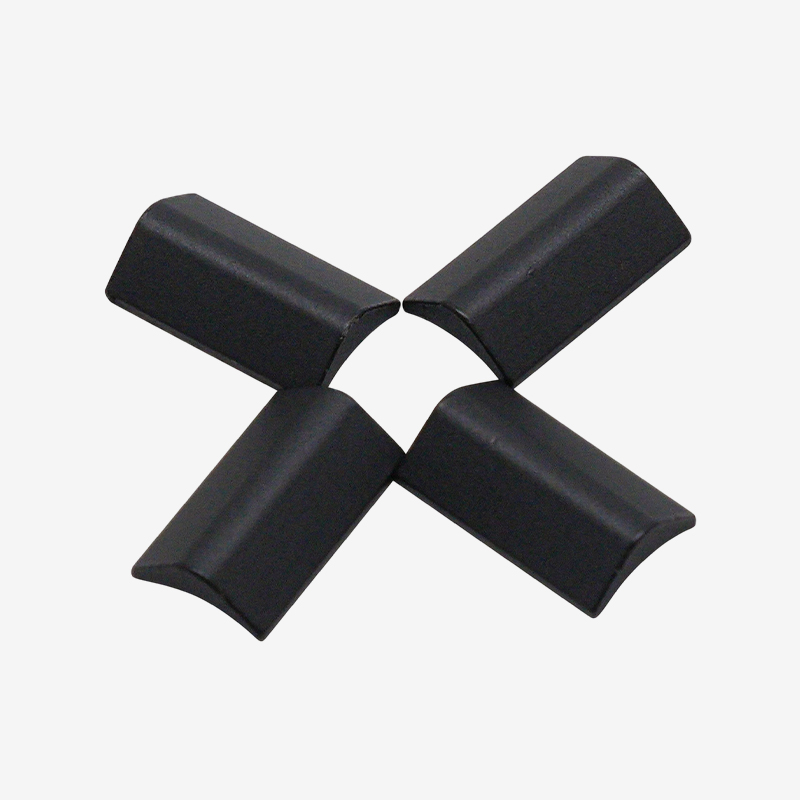
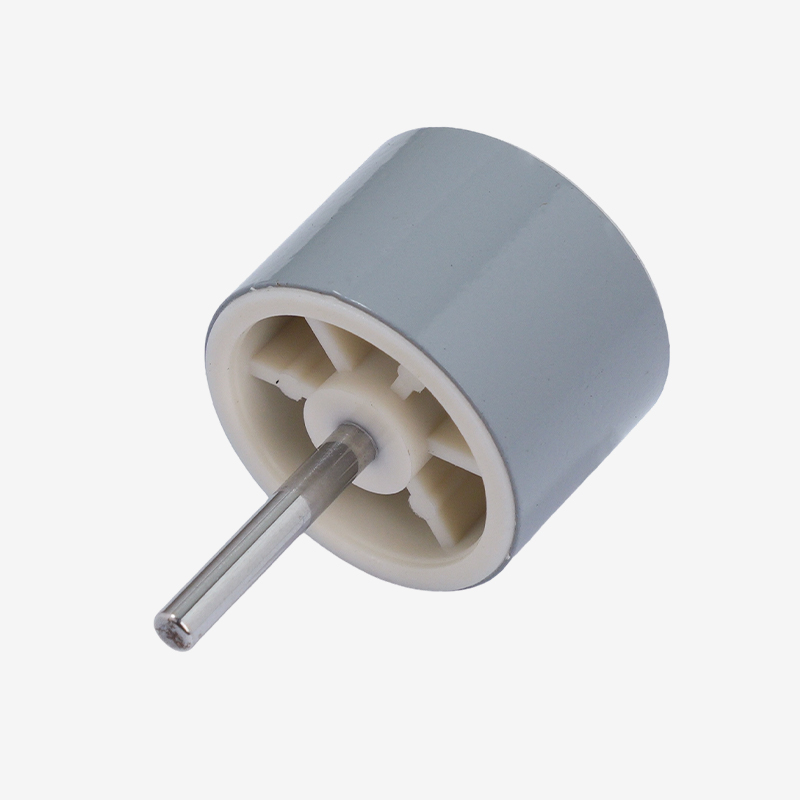
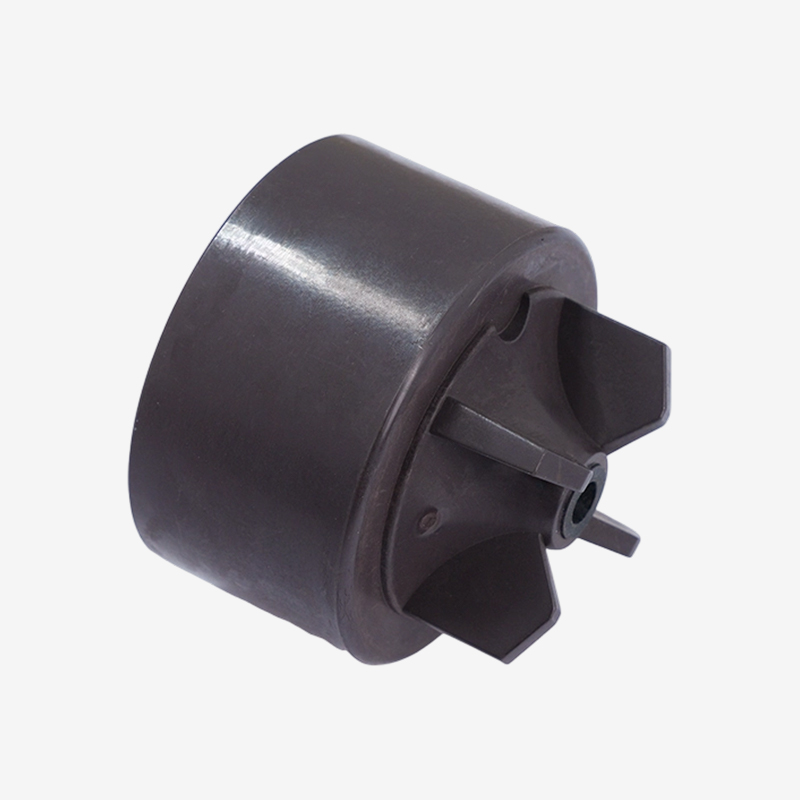
Bonded NdFeB Magnet provides excellent design flexibility because the magnetic material can be processed using injection molding, compression molding, and extrusion technologies. Injection molding allows manufacturers to produce complex 3D structures, thin-wall designs down to 0.5mm, and integrated features such as holes, gears, and undercuts that are difficult to achieve with traditional magnet manufacturing processes.
High Dimensional Accuracy for Precision Components
Bonded NdFeB Magnet offers better dimensional precision compared with traditional sintered magnets because the final shape is directly formed during molding. Injection molding can achieve tolerances of ±0.05mm, helping OEM customers reduce secondary machining processes and improve assembly accuracy.
Flexible Magnetization Direction
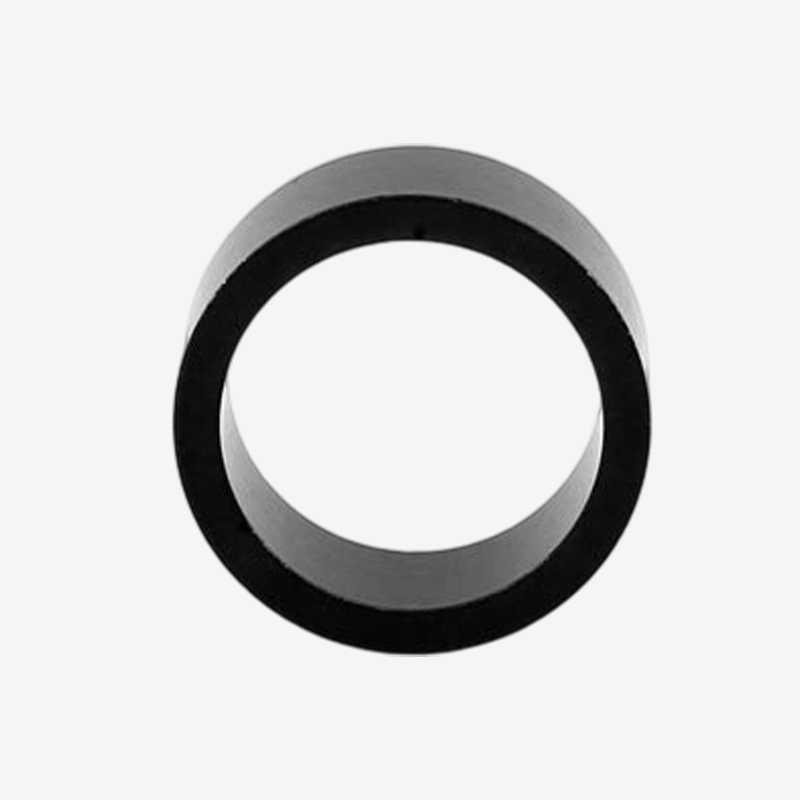
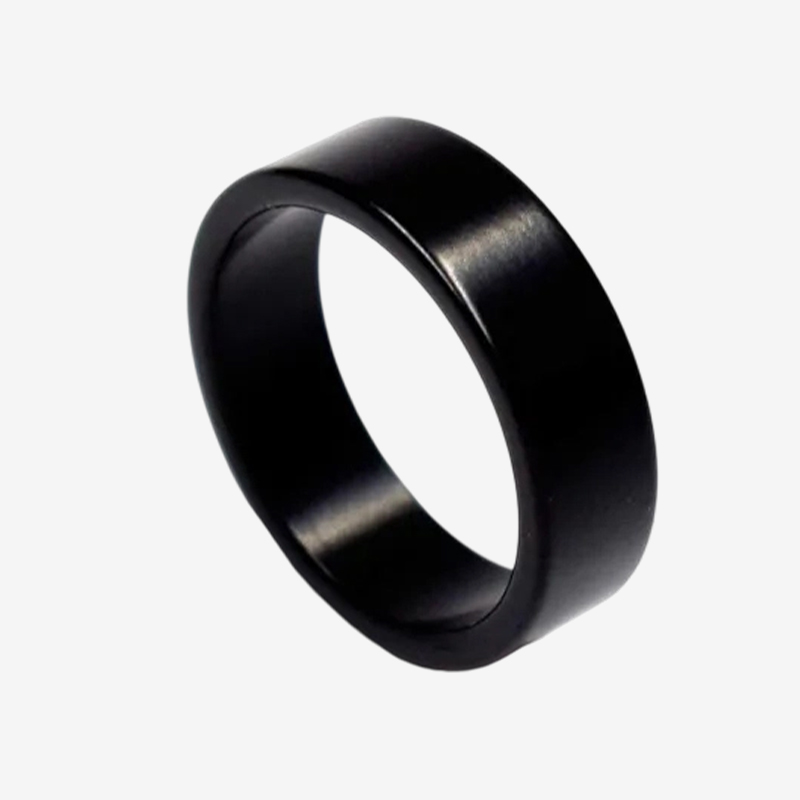
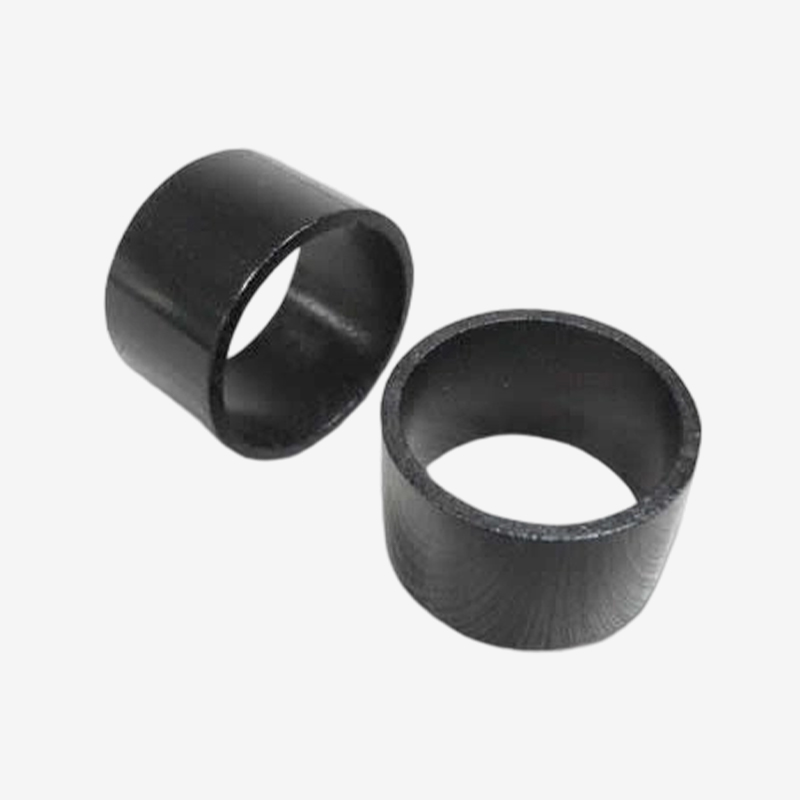
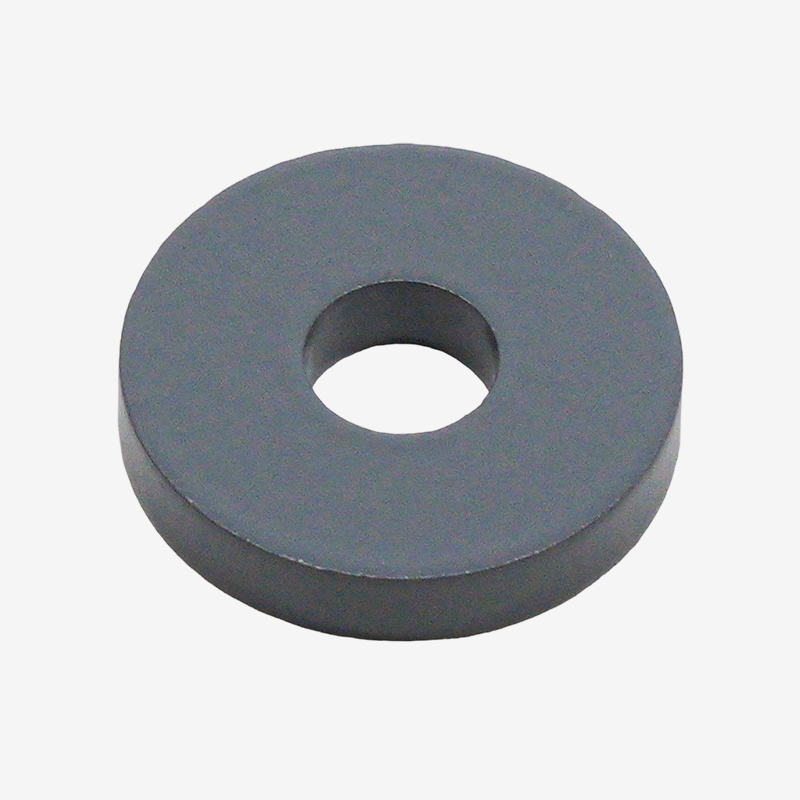
Unlike sintered NdFeB magnets, Bonded NdFeB Magnet is generally isotropic, allowing magnetization in different directions. This feature makes it suitable for multi-pole magnetization requirements, especially for integrated magnetic components and ring-shaped magnetic structures.
Improved Corrosion Resistance Through Polymer Encapsulation
The polymer binder in Bonded NdFeB Magnet surrounds the magnetic particles and provides inherent corrosion protection. Depending on the formulation, the binder itself can act as the primary corrosion barrier, while optional coatings such as epoxy painting, nickel plating, and parylene coating can provide additional protection for demanding environments.
Lightweight and Integrated Component Design
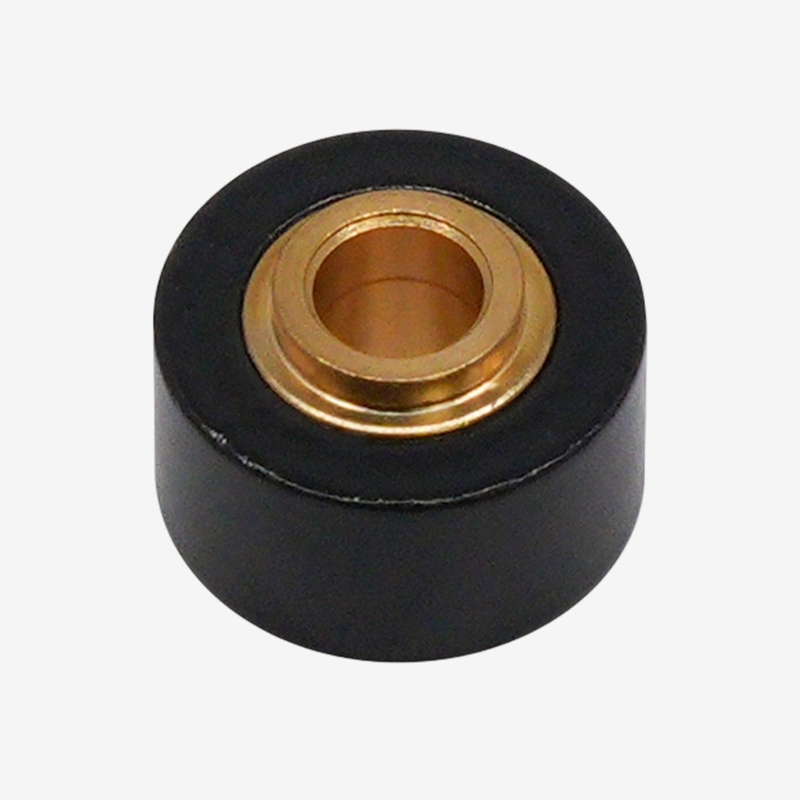
Bonded NdFeB Magnet has lower density compared with sintered NdFeB magnets, making it suitable for applications requiring lightweight components. Its molding capability also allows multiple structural features to be integrated into a single component, helping manufacturers simplify assembly processes and reduce production complexity.
OEM/ODM customization options include:
Custom structures: complex 3D shapes, thin-wall components, integrated holes, gears, threads, and undercuts
Custom molding process: injection molding, compression molding, extrusion according to product requirements
Custom magnetic performance: different grades according to required magnetic output
Custom binder selection: epoxy resin, nylon, PPS based on working environment
Custom magnetization: multi-pole magnetization or specific magnetization direction
Custom surface treatment: epoxy painting, nickel plating, parylene coating
For industrial buyers, customized Bonded NdFeB Magnet solutions can help optimize product design, reduce assembly steps, and improve manufacturing efficiency.
Packaging
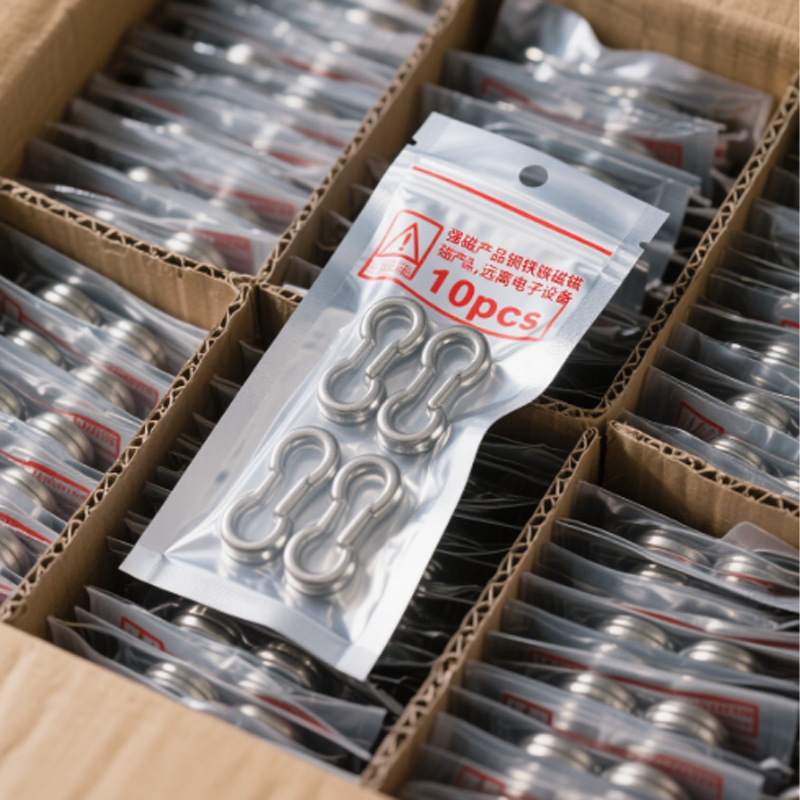
Small components are typically packed in anti-static plastic trays or blister packs to prevent scratching and electrostatic damage. Bulk quantities are packed in sealed polyethylene bags with desiccants to control moisture. For precision components, vacuum-sealed packaging with foam inserts can help maintain dimensional stability.
Shipping packaging usually uses cardboard boxes with dividers to prevent movement during transportation. Compared with sintered NdFeB magnets, Bonded NdFeB Magnet products generally require less magnetic shielding because of their lower magnetic flux density.
Each package can include product information:
Product information: grade, magnetization direction, quantity, binder type, storage conditions
Storage recommendation:
Store in a dry environment and avoid temperatures exceeding the recommended operating temperature.

Improving Production Efficiency and Reducing Secondary Processing
For OEM manufacturers, reducing machining processes is important for improving production efficiency. Bonded NdFeB Magnet can be directly molded into the required shape, reducing additional processing steps and improving consistency in mass production.
Supporting Miniaturized Product Design
Many electronic and industrial products require smaller and lighter components. Bonded NdFeB Magnet provides strong magnetic performance while supporting compact designs, helping customers develop miniaturized products.
Meeting Customized Supply Requirements
Different industries require different magnet specifications. Through OEM/ODM customization, customers can obtain Bonded NdFeB Magnet products with suitable shapes, magnetic properties, tolerances, and packaging solutions.
Maintaining Stable Quality for Mass Production
Industrial customers need reliable suppliers for repeated production. Customized Bonded NdFeB Magnet manufacturing supports consistent quality control and long-term supply cooperation.
1. What is a Bonded NdFeB Magnet?
Bonded NdFeB Magnet is a composite permanent magnet made by combining NdFeB magnetic powder with polymer binders such as epoxy resin, nylon, or PPS. It is formed through molding processes and is commonly used for precision magnetic components.
2. What is the difference between Bonded NdFeB Magnet and Sintered NdFeB Magnet?
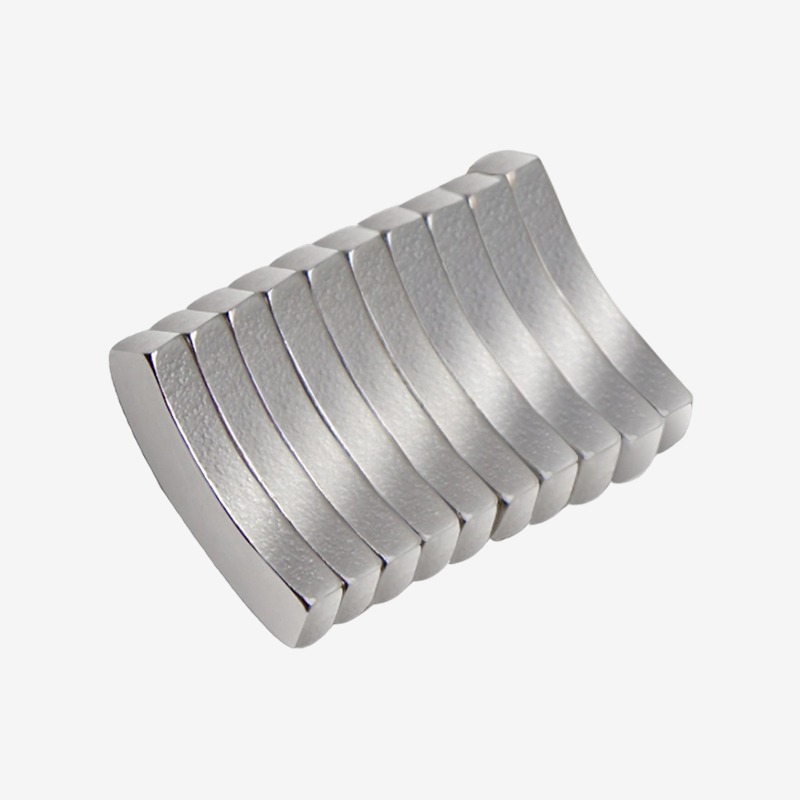
Bonded NdFeB Magnet uses polymer binders and molding processes, providing better shape flexibility and dimensional accuracy. Sintered NdFeB magnets generally provide higher magnetic performance but require more machining processes for complex structures.
3. Can Bonded NdFeB Magnet be magnetized in multiple directions?
Yes. Most Bonded NdFeB Magnet products are isotropic and can be magnetized in different directions, making them suitable for multi-pole magnetization requirements.
4. What temperature can Bonded NdFeB Magnet withstand?
The working temperature depends on the binder type. Nylon binders are commonly used for lower temperature applications, while PPS binders provide higher temperature resistance. Specific temperature requirements should be confirmed according to application conditions.
5. Can Bonded NdFeB Magnet be customized for OEM projects?
Yes. Bonded NdFeB Magnet can be customized in terms of shape, size, magnetic grade, binder type, magnetization direction, coating, and packaging according to customer requirements.
6. What information should buyers provide when requesting a quotation?
For accurate quotation and production evaluation, buyers should provide product drawings, dimensions, required magnetic performance, application environment, quantity requirements, and packaging requirements.
7. What molding process should be selected for Bonded NdFeB Magnet?
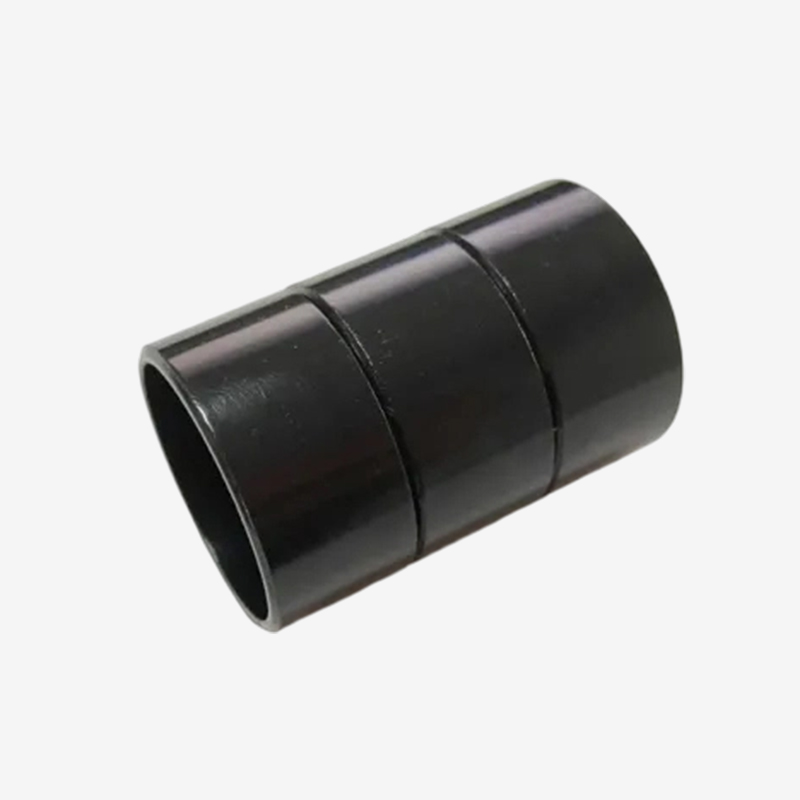
The suitable process depends on product structure and production requirements. Injection molding is suitable for complex shapes and integrated structures, compression molding is suitable for higher magnetic performance requirements with simpler shapes, and extrusion is suitable for long rod or tube structures.
8. How can customers ensure stable supply for mass production?
Customers can work with manufacturers that provide OEM/ODM support, quality control processes, customized production capabilities, and long-term supply solutions to ensure consistent product quality and delivery stability.


 English