|
Product Name
|
Rubber Magnets
|
|
Product Type
|
Flexible Magnet / Magnetic Rubber
|
|
Material Composition
|
Ferrite powder (SrO·6Fe₂O₃) + Rubber/Plastic Binder (CPE) + Additives
|
|
Manufacturing Process
|
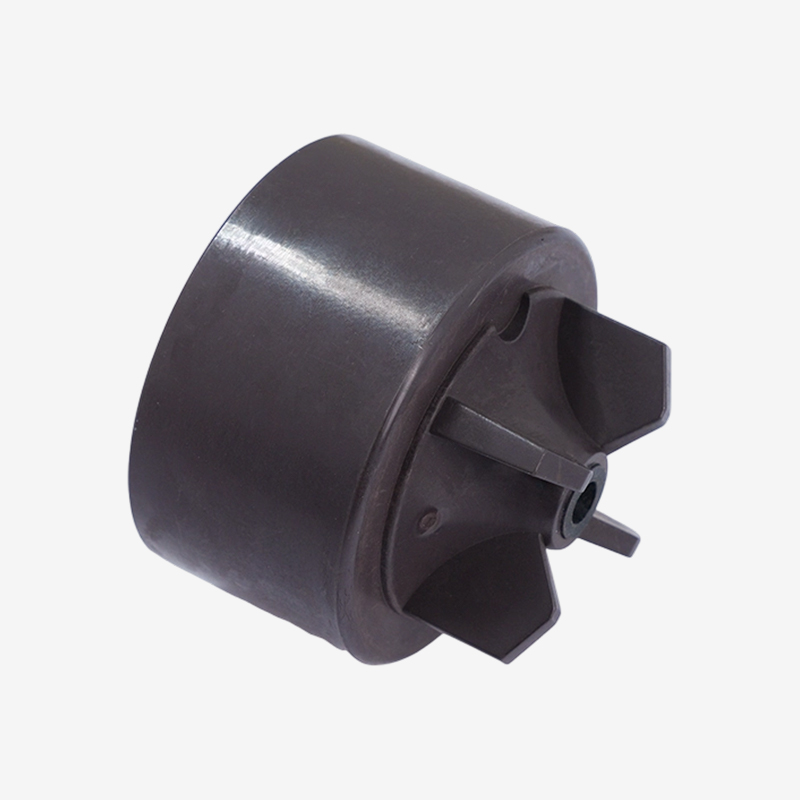
Extrusion, Calendering, Injection Molding
|
|
Available Shapes
|
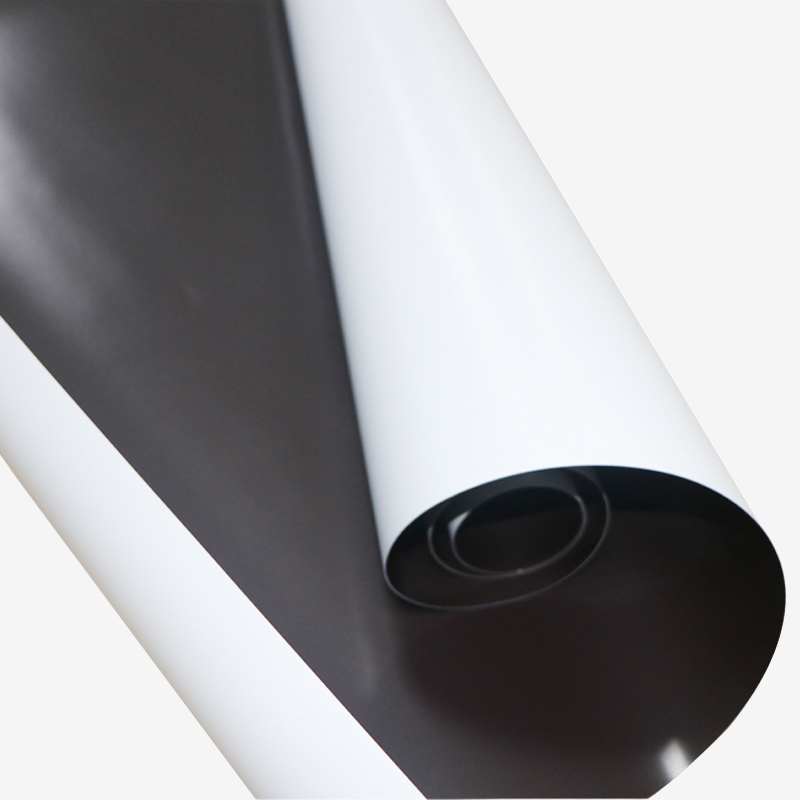
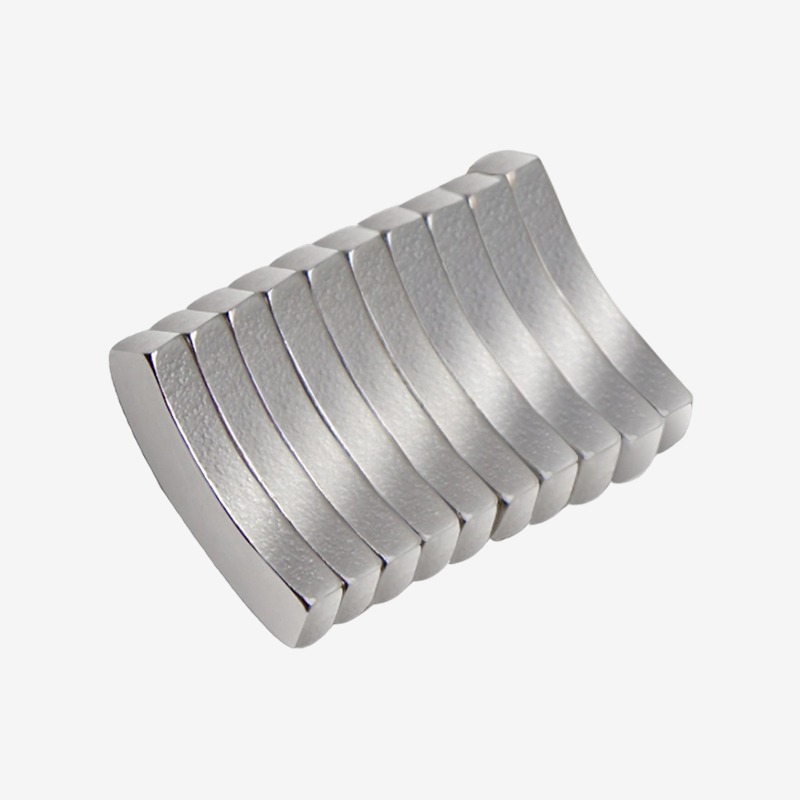
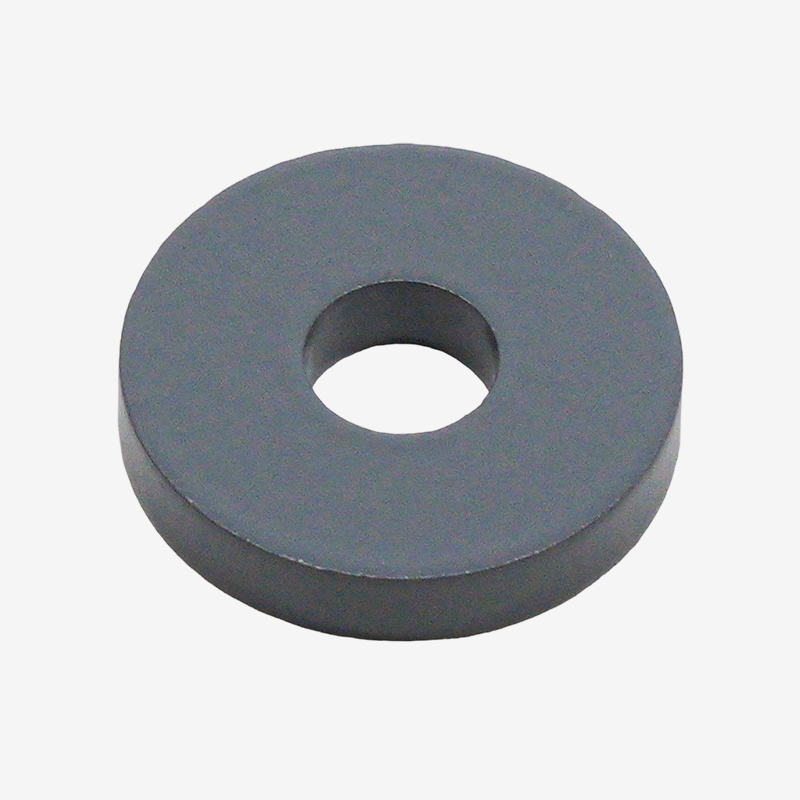
Sheets, Rolls, Strips, Blocks, Rings
|
|
Maximum Width
|
Up to 900 mm
|
|
Thickness Range
|
0.2-10 mm
|
|
Residual Induction (Br)
|
1,400-2,600 GS
|
|
Coercive Force (HcB)
|
90-215 kA/m
|
|
Maximum Energy Product (BH)max
|
0.5-1.6 MGOe (4.0-12.8 kJ/m³)
|
|
Operating Temperature
|
Up to 80℃ (standard grades)
|
|
Hardness
|
30-45 Shore A
|
|
Tensile Strength
|
25-35 MPa
|
|
Elongation at Break
|
20-50%
|
|
Magnetization Type
|
Isotropic / Anisotropic
|
|
Customization
|
Available
|
|
Type
|
Grade
|
Magnetic Induction (GS)
|
Typical Applications
|
|
Isotropic (uniform magnetic properties)
|
YN-5T
|
1,400 – 1,550
|
Fridge magnets, promotional items
|
|
|
YN-8
|
1,600 – 1,850
|
Fridge magnets, promotional items
|
|
Anisotropic (directional magnetization, higher strength)
|
YN-10
|
2,000 – 2,100
|
Micro-motors, printers, automotive sensors
|
|
|
YN-15
|
2,600
|
Micro-motors, printers, automotive sensors
|
|
Custom Grades
|
Y10 – Y30 (adhesive-backed, multi-pole magnetization)
|
Custom
|
Industrial applications
|
Rubber Magnets are utilized across diverse sectors:
Advertising & Consumer Goods:Refrigerator magnets, signage, magnetic toys.
Automotive:Door seals, sensor mounts, EV components (weight reduction).
Electronics:Flexible displays, magnetic strips for devices.
Industrial:Micro-motors, sealing strips, magnetic holders.
Healthcare:MRI seals, wheelchair accessories.
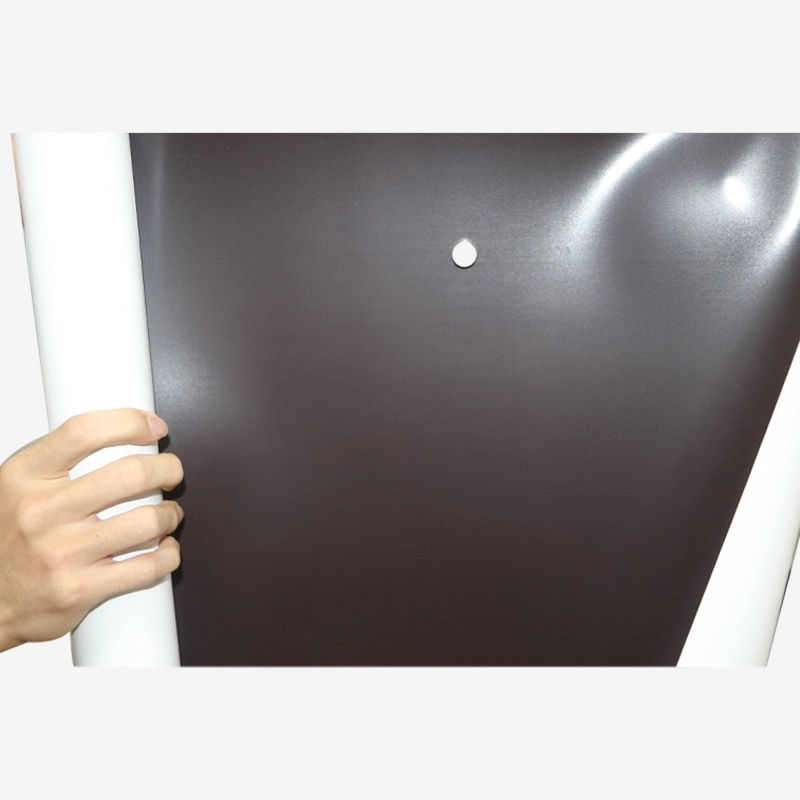
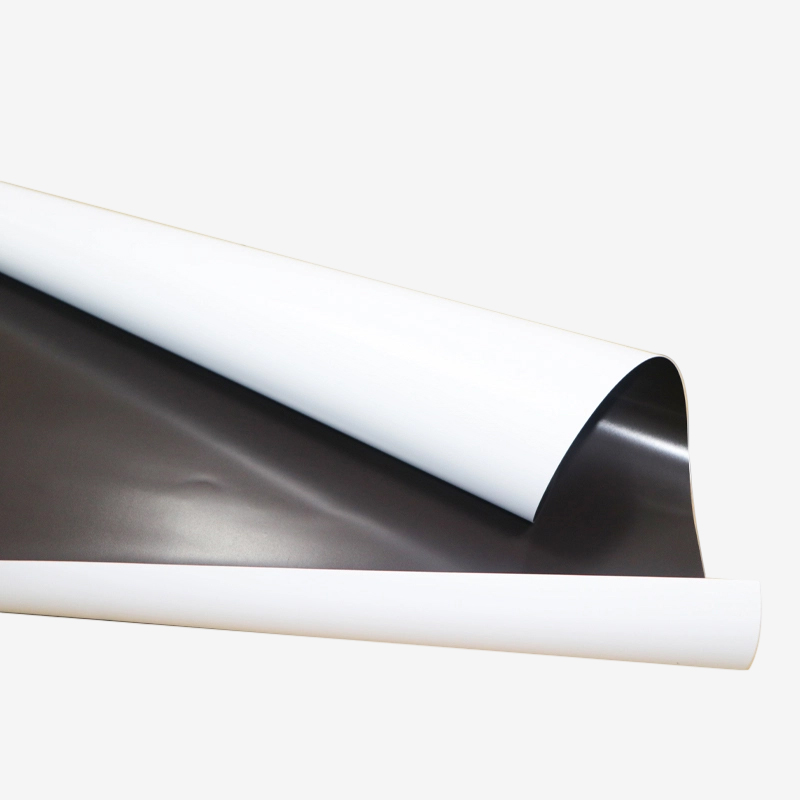
Flexible — Bend, Cut, Punch, Laminate
Unlike rigid magnets, Rubber Magnets can be bent, twisted, cut, punched, and laminated. Available in sheets, rolls, strips, and custom profiles with thickness from 0.2mm to 10mm. Ideal for magnetic labels, sealing strips, and flexible displays.
Lightweight and Cost-Effective
Made from ferrite powder and polymer binders — lightweight and economical. Magnetic induction: 1,400–2,600 GS. Sufficient for many low-energy applications without the high cost of rare-earth magnets.
Easy to Process — Simple Manufacturing
Supports cutting, punching, adhesive lamination, and PVC coating. Easier to process than rigid magnets — reduces secondary processing costs and speeds up production.
Good Corrosion Resistance
Ferrite-based material resists corrosion and humidity. No extra surface protection needed — performs reliably indoors and in general environments with low maintenance.
Shape and Size Customization
Rubber Magnets can be customized into different forms, including sheets, rolls, strips, blocks, and rings.
Manufacturers can adjust width, thickness, length, and shape according to customer drawings or product requirements.
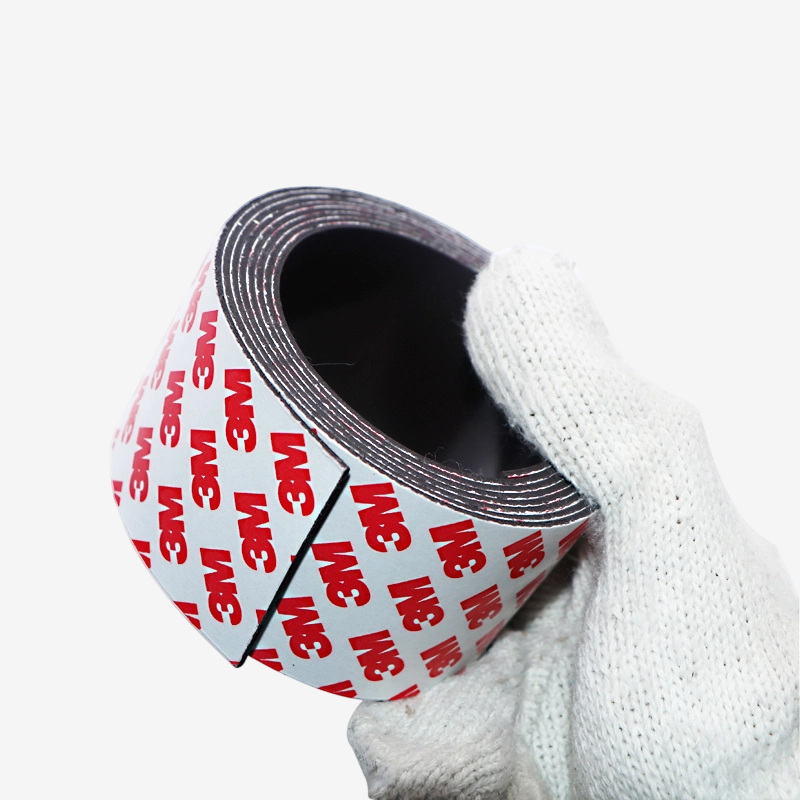
Adhesive Backing Customization
For applications requiring quick installation, Rubber Magnets can be supplied with adhesive backing options.
single-sided adhesive,double-sided adhesive,custom adhesive solutions.
Magnetic Performance Customization
Customers can select isotropic or anisotropic grades according to required magnetic strength and application conditions.
Surface Treatment Customization
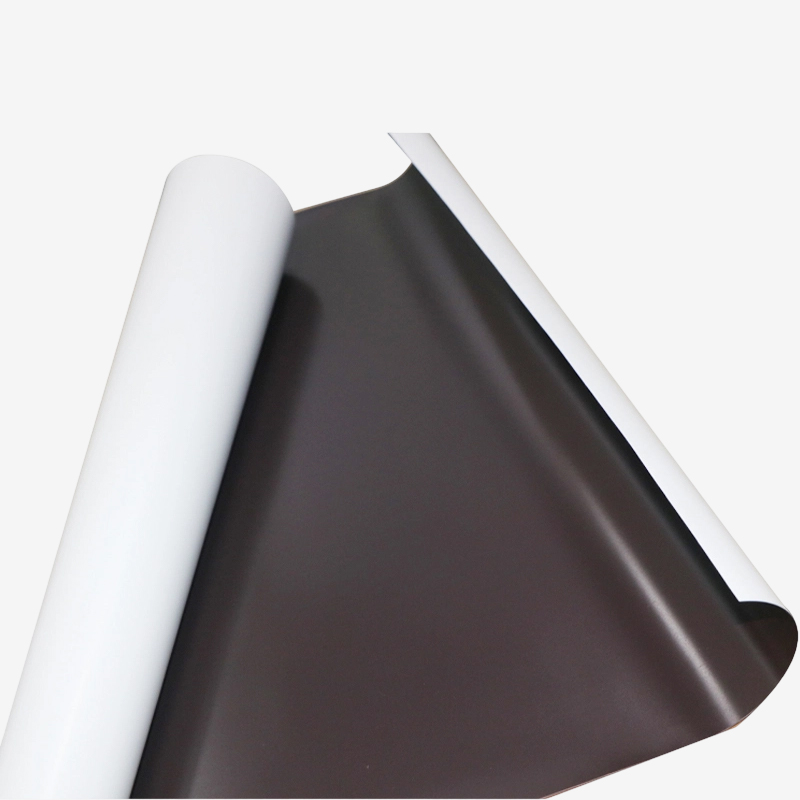
Rubber Magnets can be combined with PVC coating, laminated layers, or protective surfaces according to product requirements.
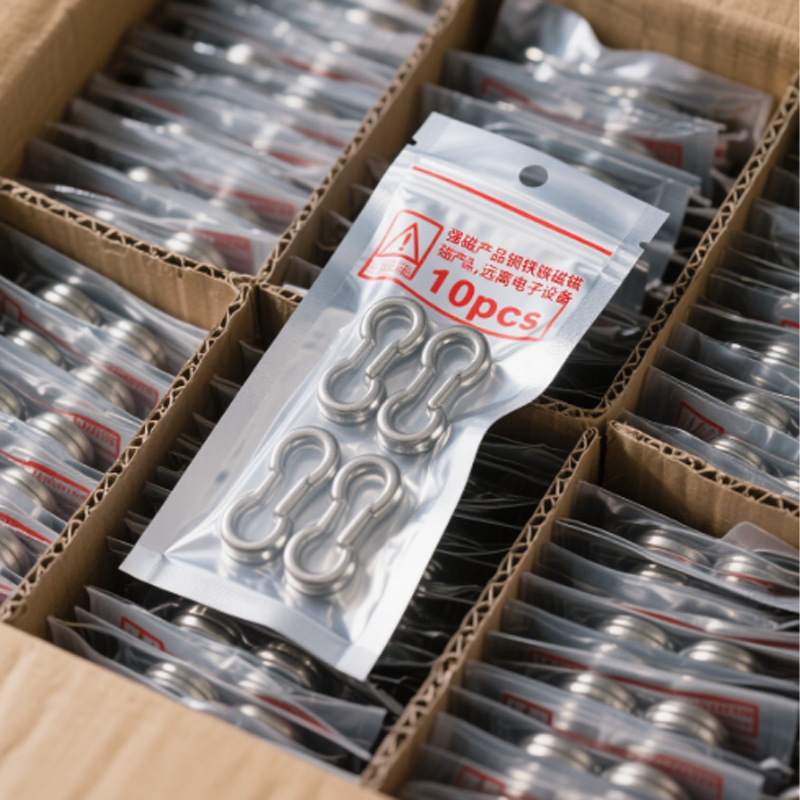
Packaging
Proper packaging helps protect Rubber Magnets during transportation and storage.
Standard packaging options include cartons, rolls, and pallets for bulk orders.
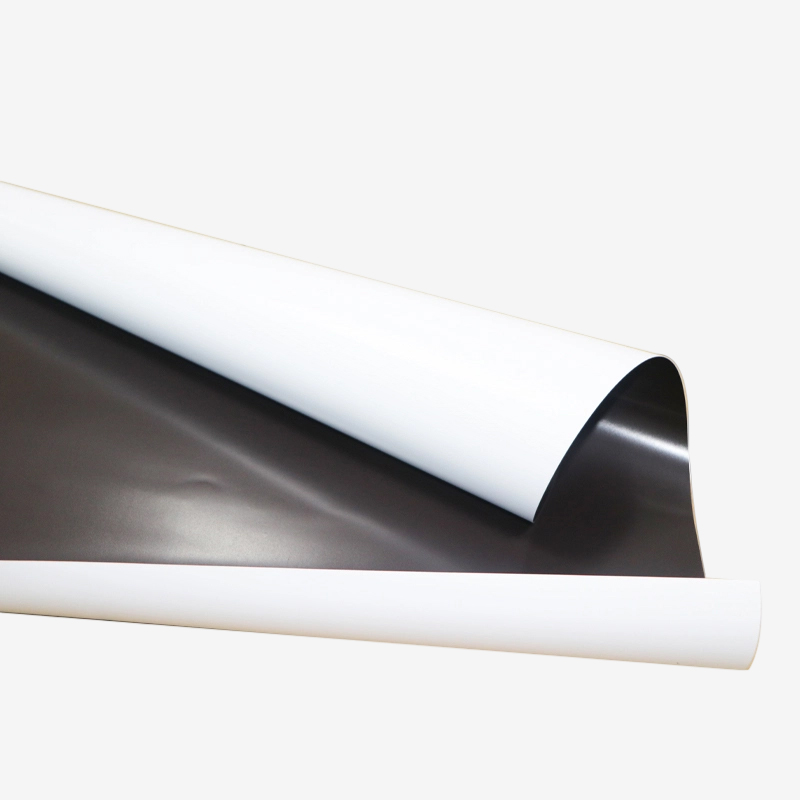
Common packaging methods include: 61 cm width rolls,91 cm width rolls,122 cm width rolls.
For special material requirements, vacuum-sealed or argon-packed packaging can be provided.
Shipping methods include: Air freight,Sea freight,International courier.
For customized orders, production lead time is typically 7-15 days depending on specifications and quantity.

Reducing Production Cost
Many manufacturers need magnetic materials that provide acceptable performance while controlling production costs. Rubber Magnets offer an economical alternative for applications where high magnetic force is unnecessary.
Supporting Complex Product Designs
Traditional rigid magnets are difficult to process into flexible structures. Rubber Magnets can be cut, bent, punched, and laminated, helping manufacturers achieve more flexible product designs.
Improving Installation Efficiency
For applications requiring quick installation, adhesive-backed Rubber Magnets eliminate the need for additional mechanical fasteners and simplify assembly processes.
Reducing Product Weight
Rubber Magnets are lightweight compared with many rigid magnetic components, making them suitable for applications requiring weight reduction.
1. What are Rubber Magnets?
Rubber Magnets are flexible permanent magnets made by combining ferrite magnetic powder with rubber or plastic binders. They provide flexibility, lightweight structure, and easy processing characteristics.
2. Are Rubber Magnets as strong as neodymium magnets?
No. Rubber Magnets have lower magnetic strength than neodymium magnets, but they provide advantages in flexibility, cost, and processing convenience.
3. Can Rubber Magnets be customized?
Yes. Rubber Magnets can be customized in different shapes, sizes, thicknesses, magnetic grades, and adhesive backing options.
4. What information should buyers provide for quotation?
B2B buyers should provide product dimensions, magnetic requirements, application environment, quantity, surface requirements, and packaging requirements.
5. Can Rubber Magnets withstand high temperatures?
Standard Rubber Magnets can operate up to 80℃. Specialized versions may provide higher temperature resistance.
6. What is the typical production lead time for custom Rubber Magnets?
Custom production usually takes 7-15 days depending on product specifications and order quantity.
7. Do Rubber Magnets corrode?
No. Their ferrite composition provides good corrosion resistance and resistance to humidity.
8. Are samples available before bulk production?
Yes. Suppliers can provide samples for customer testing and product verification before mass production.
9. What industries commonly purchase Rubber Magnets?
Common industries include advertising, automotive, electronics, industrial equipment, healthcare, and consumer product manufacturing.
10. Can Rubber Magnets include adhesive backing?
Yes. Adhesive-backed Rubber Magnets are available for applications requiring quick mounting and easy installation.


 English