|
Product Type
|
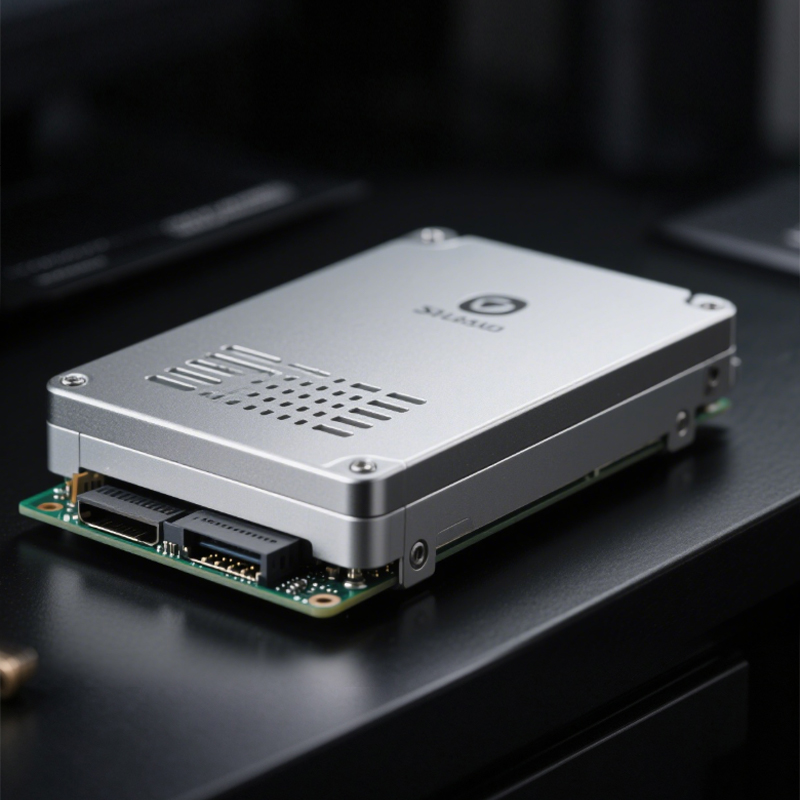
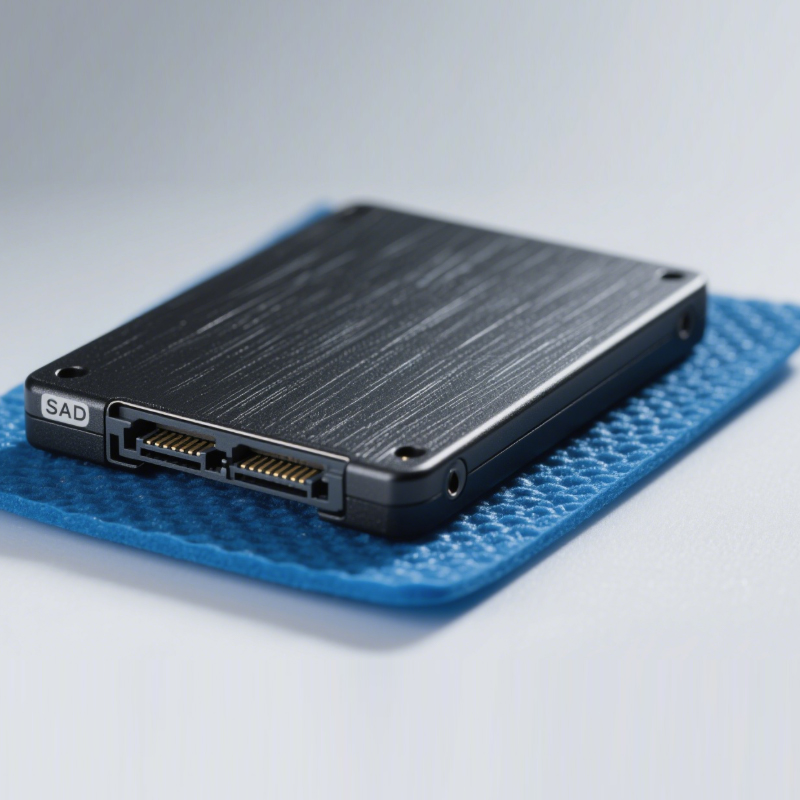
HDD, SSD, Portable Storage Devices, Cloud/NAS Storage
|
|
Storage Technology
|
Magnetic Storage, NAND Flash Memory, 3D NAND Flash, Network Storage
|
|
Storage Capacity
|
GB to TB level
|
|
HDD Capacity
|
Up to 20TB
|
|
HDD Speed
|
Approximately 120–250 MB/s
|
|
SSD Technology
|
SATA SSD, NVMe SSD, PCIe SSD
|
|
SSD Speed
|
Up to 7,400 MB/s (NVMe PCIe 4.0)
|
|
Portable Storage Capacity
|
USB Flash Drive: Up to 2TB, Memory Card: Up to 2TB
|
|
Interface
|
SATA, NVMe PCIe, USB 3.0, Thunderbolt
|
|
SSD Endurance
|
Measured by TBW (Terabytes Written), example: 600TBW for 512GB NVMe SSD
|
|
Operating Environment
|
Industrial-grade models available for wide temperature and shock-resistant applications
|
|
Customization
|
Capacity, interface, packaging, firmware, and structural design
|
|
Grade Category
|
Examples
|
Key Features
|
|
Consumer Grade
|
WD Blue HDD, Crucial MX500 SSD
|
Budget-friendly, designed for everyday use
|
|
Enterprise Grade
|
Seagate Exos HDDs, Samsung PM1733 SSD
|
High-performance, RAID support, 24/7 reliability
|
|
Industrial Grade
|
Customized ruggedized storage
|
Wide temperature ranges, shock resistance, designed for extreme conditions
|
Storage Devices are used across multiple industries requiring reliable data storage and efficient information management.
Personal Computing: OS installation (SSDs), media storage (HDDs)
Enterprise/Data Centers: NAS, SAN, and cloud storage for scalable data management
Multimedia/Content Creation: High-speed NVMe SSDs for 4K video editing
IoT/Edge Devices: Low-power SSDs for embedded systems
1. High-Capacity Data Storage
Storage Devices offer scalable solutions from gigabytes to terabytes — managing operating systems, production data, multimedia, and enterprise databases. HDD models provide up to 20TB for large-volume, cost-effective storage needs.
2. High-Speed Data Access
Storage Devices reduce access time and boost transfer efficiency. NVMe PCIe SSDs reach speeds up to 7,400 MB/s — faster than traditional SATA — ideal for rapid file transfer, real-time processing, and high-performance computing.
3. Reliable Data Management
Designed for stable storage and retrieval across various operating environments. SSDs use NAND flash with no moving parts — better shock and vibration resistance than HDDs. Enterprise-grade models support continuous operation with enhanced durability and reliability.
4. Flexible Integration Capability
Support multiple interfaces and form factors — SATA for traditional HDDs/SSDs, NVMe PCIe for higher bandwidth in advanced systems.
Storage capacity customization: GB, TB-level solutions according to customer requirements
Interface customization: SATA, NVMe PCIe, USB, and other interfaces
Hardware customization: Product size, structure, and module design
Firmware customization: System compatibility and application-specific settings
Packaging
Storage Devices require protective packaging to prevent physical damage and environmental impact during transportation and storage.
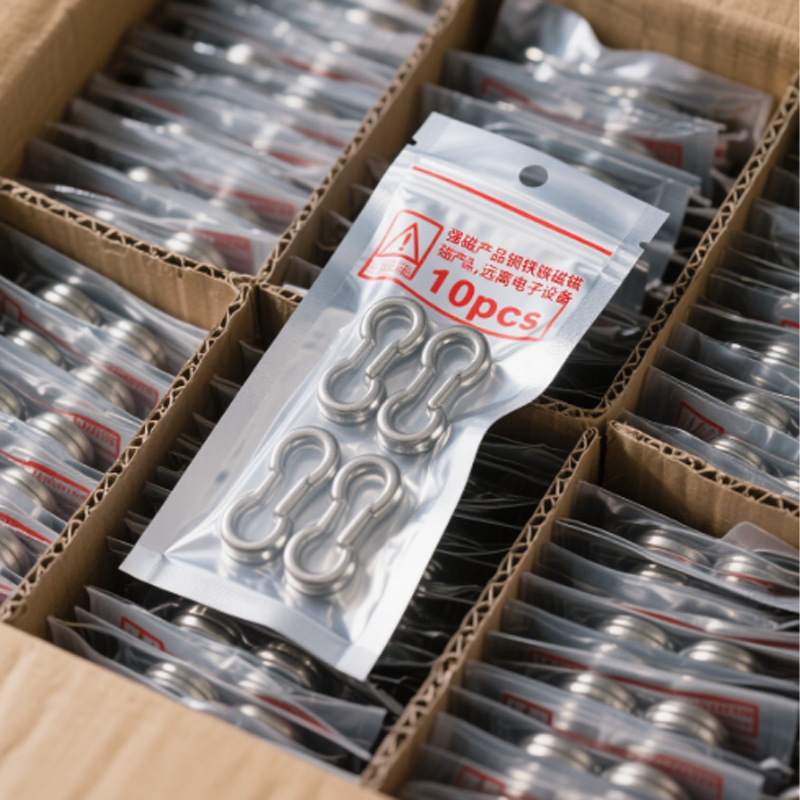
Standard Packaging: Anti-static bags, protective foam, cartons, or customized packaging boxes to prevent electrostatic damage and mechanical impact.
Bulk Packaging: Industrial quantities can be packed with protective separators and moisture-resistant materials for large-volume shipments.
Industrial Packaging: Rugged packaging solutions are available for industrial Storage Devices, including additional protection against vibration, shock, and temperature changes.
Export Packaging: Packaging can be customized according to international transportation requirements to ensure safe delivery.

Large Data Storage Requirements
Many businesses need to store increasing amounts of production data, customer information, and multimedia files. Storage Devices provide scalable capacity options from GB to TB levels, helping companies manage growing data volumes efficiently.
Slow Data Processing Speed
Traditional storage solutions may limit system performance during large file transfers or intensive workloads. NVMe SSD Storage Devices provide significantly higher transfer speeds compared with SATA-based solutions, improving system response and operational efficiency.
Reliability in Industrial Environments
Industrial customers often require storage products that can operate under vibration, temperature changes, or continuous working conditions. Industrial-grade Storage Devices are designed with enhanced durability and environmental adaptability to support these applications.
Compatibility Issues
Different systems require different storage interfaces and specifications. Storage Devices support various interfaces such as SATA, NVMe PCIe, and USB, enabling easier integration into existing equipment and systems.
Cost Control for Large-Scale Deployment
Enterprise customers need to balance performance, capacity, and purchasing cost. Different Storage Device grades allow customers to select suitable solutions based on application requirements, including consumer-grade, enterprise-grade, and industrial-grade products.
What storage capacity options are available?
Storage Devices are available from GB-level to TB-level capacities. Specific capacity options depend on product type and application requirements.
How long can SSD Storage Devices last?
SSD lifespan depends on usage conditions and endurance ratings. Many SSD products use TBW (Terabytes Written) ratings to indicate expected write durability.
Can Storage Devices be customized for industrial applications?
Yes. Manufacturers can provide customized Storage Devices for industrial applications, including special capacity requirements, operating temperature ranges, firmware optimization, structural design, and packaging solutions.
What factors should buyers consider when selecting Storage Devices?
B2B buyers should consider storage capacity, interface compatibility, read/write performance, endurance, operating environment, supply stability, and customization capability.
Are Storage Devices suitable for enterprise data centers?
Yes. Enterprise-grade Storage Devices are designed for large-scale data management applications such as servers, NAS systems, SAN systems, and cloud infrastructure, where reliability and continuous operation are important.
What is the typical lead time for customized Storage Devices?
Lead time depends on product specifications, customization requirements, and order quantity. Standard products may have shorter delivery times, while customized solutions require additional development and testing time.


 English