|
Parameter
|
Description
|
|
Product Type
|
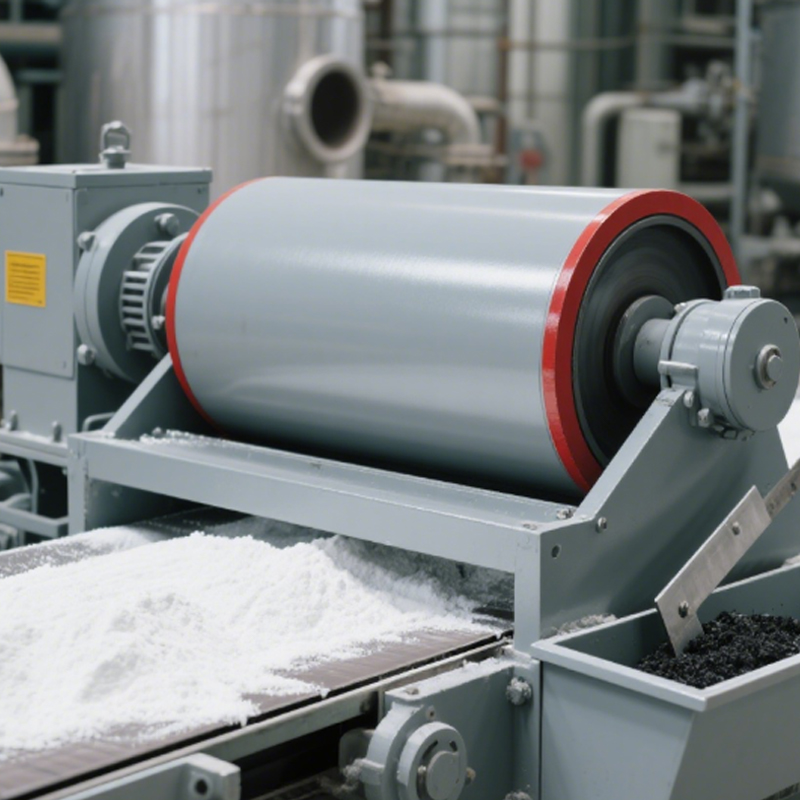
Drum Separators, Overband Magnets, High-Intensity Roll Separators
|
|
Magnetic System
|
Permanent Magnet / Electromagnet
|
|
Magnetic Intensity
|
70–150 mT for overband magnets; 800–8,000 Gauss for drum separators; up to 15,000 Gauss for high-intensity roll separators
|
|
Drum Separator Capacity
|
0.5–180 t/h
|
|
Overband Magnet Belt Width
|
300–2000 mm
|
|
High-Intensity Roll Separator Particle Size
|
Handles particles <3 mm
|
|
Power Consumption
|
0.37–15 kW
|
|
Cooling Method
|
Natural cooling / Oil cooling for electromagnets
|
|
Main Material
|
Stainless steel 304/316, wear-resistant coatings, food-grade epoxy
|
|
Coating Options
|
Epoxy coating, corrosion-resistant coating, food-grade coating
|
|
Application Temperature
|
Standard models ≤80°C; oil-cooled electromagnets ≤150°C
|
|
Grade Category
|
Typical Applications
|
Grade Example
|
Key Features
|
|
Standard Grade
|
General industrial use
|
Overband magnets in recycling plants
|
Standard magnetic intensity, suitable for ordinary material sorting
|
|
High-Performance Grade
|
Precision separation of fine particles
|
High-intensity roll separators
|
Adjustable magnetic fields, higher magnetic intensity for fine particle separation
|
|
Sanitary Grade
|
Food and pharmaceutical compliance
|
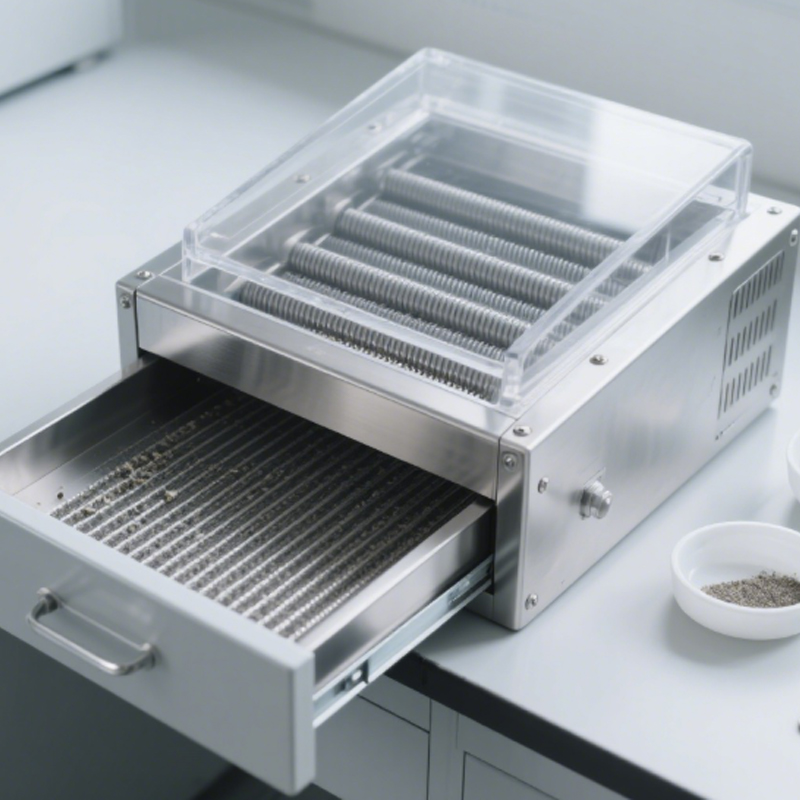
Magnetic grate separators
|
Easy-clean surfaces, food/pharmaceutical-compliant designs
|
Magnetic Separators for Impurity Removal are used across multiple industries:
Mining/Recycling: Iron ore beneficiation, scrap metal recovery, removes tramp iron
Food Processing: Metal contaminant removal from grains, liquids, magnetic conveyor belts
Manufacturing: Coolant purification in machining, grinding fluids separation
Chemicals/Pharma: Powder purification, GMP-certified magnetic filters
1. Efficient Removal of Ferrous Contaminants
Magnetic Separators for Impurity Removal capture ferrous metal particles from material streams — improving product quality and reducing equipment damage caused by metal contamination. Drum separators: 800–8,000 Gauss; high-intensity roll separators: up to 15,000 Gauss for fine particle separation.
2. Protects Downstream Equipment
Removing iron particles before they enter production equipment reduces wear, blockage, and unexpected maintenance. Overband magnets install above conveyors with belt widths from 300–2,000 mm — integrating into various material handling lines.
3. Adapts to Different Material Conditions
Wet drum separators — for slurry materials (mining applications)
Dry drum separators — for powders and bulk materials
High-intensity roll separators — for fine particle separation requiring higher magnetic force
Equipment Structure: Drum separator, overband magnet, high-intensity roll separator, custom magnetic separation systems
Magnetic Performance: Magnetic intensity adjustment according to material type, particle size, and separation requirements
Material Selection: Stainless steel 304/316 structures, corrosion-resistant coatings, food-grade materials
Size Customization: Customized drum dimensions, belt widths, installation structures, and equipment layouts
Industry-Specific Design: Solutions for mining, recycling, food processing, chemical, pharmaceutical, and manufacturing industries
Customized designs typically require a lead time of 10–30 days depending on equipment specifications and technical requirements.
Packaging
Standard Export Packaging
Magnetic Separators for Impurity Removal are generally packed in wooden cases or plywood boxes to ensure safe transportation during international shipping. Internal protection includes foam padding or bubble wrap to prevent movement and protect critical components.
Large equipment such as drum separators may use customized wooden packaging according to equipment dimensions.
Material-Specific Packaging
Stainless steel housings made from 304/316 materials are sandblasted and wrapped with anti-corrosion film before packaging.
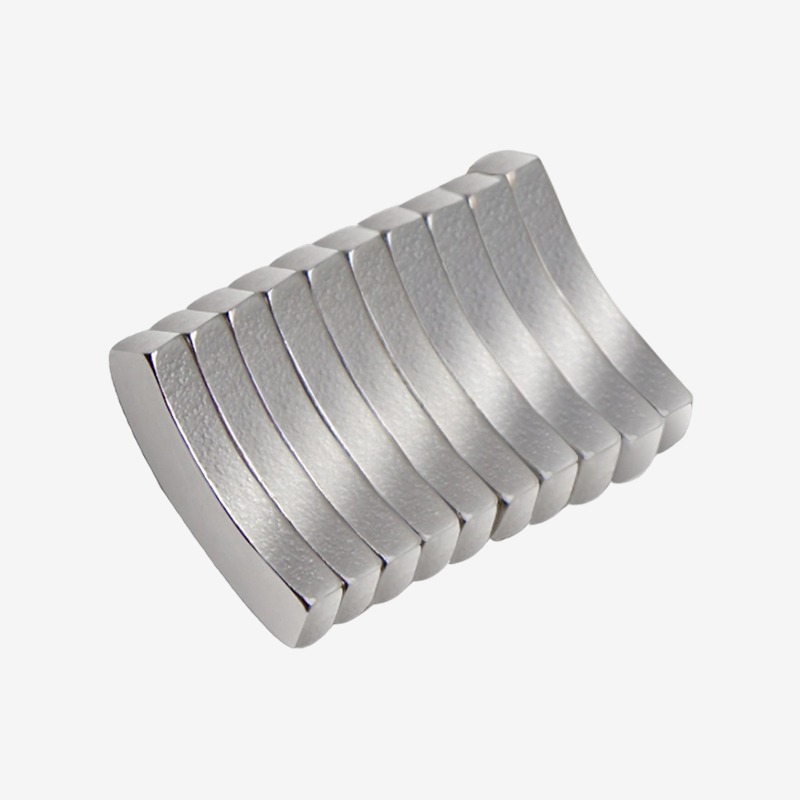
Rare earth magnets such as NdFeB magnetic components are protected with magnetic-proof cartons for small units or palletized packaging for larger shipments.
Custom Packaging Options
Food-grade magnetic separators can be supplied with sanitary packaging and sealed protective covers to meet hygiene requirements.
Electrical and pneumatic models can include waterproof protection for moisture-sensitive components.
Shipping Methods
Air Freight: Lightweight units below 100 kg packed with reinforced cartons
Sea Freight: Large equipment packed on pallets or containers with moisture barriers
Labeling & Compliance
Packages can include ISO certification labels, handling instructions, product information labels, and required transportation warnings.

Problem: Metal contamination affects product quality
Solution: Magnetic Separators for Impurity Removal provide continuous magnetic separation to capture ferrous contaminants before they affect final products.
Problem: Production equipment is damaged by metal particles
Solution: Installing magnetic separators before key processing equipment helps reduce mechanical damage and maintenance requirements.
Problem: Different materials require different separation methods
Solution: Multiple separator types are available, including wet drum separators for slurry materials, dry separators for powders, and high-intensity roll separators for fine particles.
Problem: Equipment cannot meet special production environments
Solution: Customized materials, coatings, and structures allow separators to work in industries requiring corrosion resistance, hygiene control, or continuous operation.
Problem: Manual cleaning reduces production efficiency
Solution: Self-cleaning magnetic separator designs help reduce downtime and improve production continuity.
1. What materials can Magnetic Separators for Impurity Removal separate?
Magnetic separators are mainly used to remove ferromagnetic contaminants such as iron particles from materials including ores, recycled materials, grains, powders, liquids, and industrial materials.
2. What is the difference between wet and dry magnetic separators?
Wet magnetic separators are mainly suitable for slurry materials with particle sizes below 3 mm, while dry magnetic separators are commonly used for powders and bulk materials that do not require water processing.
3. How should I choose the right magnetic separator for my production line?
The selection depends on material type, particle size, processing capacity, contamination level, required magnetic intensity, and installation method. Manufacturers can provide customized recommendations based on production conditions.
4. Can Magnetic Separators for Impurity Removal operate in high-temperature environments?
Standard models typically operate at temperatures up to 80°C, while oil-cooled electromagnet systems can tolerate temperatures up to 150°C.
5. Do magnetic separators require regular maintenance?
Yes. Regular inspection of magnetic surfaces, drums, belts, and mechanical components helps maintain stable performance. Self-cleaning models can reduce manual maintenance requirements.
6. What customization options are available for bulk orders?
Manufacturers can customize drum sizes, magnetic intensity, coatings, stainless steel materials, installation structures, and sanitary designs according to customer requirements.
7. How long is the production lead time for customized magnetic separators?
Customized equipment usually requires approximately 10–30 days depending on design complexity, material selection, and production requirements.
8. Why choose Magnetic Separators for Impurity Removal instead of manual metal removal methods?
Magnetic separators provide continuous automatic separation, helping improve production efficiency, reduce labor costs, and maintain consistent product quality compared with manual


 English