|
Product Type
|
Wet Drum Magnetic Separators, Dry Drum Magnetic Separators, High-Intensity Roll Separators
|
|
Separation Principle
|
Magnetic force separation between magnetic and non-magnetic materials
|
|
Magnetic Field Strength
|
800–20,000 Gauss depending on model and application
|
|
Wet Drum Separator Capacity
|
0.5–180 t/h
|
|
Wet Drum Separator Shell Diameter
|
600–1500 mm
|
|
Dry Drum Separator Feed Size
|
0–6 mm
|
|
Dry Drum Separator Magnetic Intensity
|
1,000–6,000 Gauss
|
|
High-Intensity Roll Separator Field Strength
|
Up to 15,000 Gauss
|
|
High-Intensity Roll Separator Capacity
|
0.2–200 t/h
|
|
Power Consumption
|
0.37–15 kW
|
|
Drum Material
|
Stainless steel
|
|
Surface Protection
|
Epoxy coating or Ni coating
|
|
Operating Temperature
|
Standard models ≤80°C
|
|
High Temperature Option
|
Oil-cooled electromagnet models up to 150°C
|
|
Customization
|
Drum size, magnetic intensity, capacity, structure
|
|
Grade Category
|
Typical Applications
|
Grade Example
|
Key Features
|
|
Standard Grade
|
General iron ore separation
|
CTB series wet separators
|
Standard magnetic intensity, suitable for ordinary mineral processing
|
|
High-Performance Grade
|
Precision separation of rare earth minerals
|
Three-disc dry separators
|
Up to 20,000 Gauss, high-intensity magnetic field for fine particle separation
|
|
Industrial Grade
|
Harsh environments
|
Self-cleaning overband separators
|
Ruggedized design, automatic cleaning, continuous operation
|
Mineral Processing Magnetic Separators are widely used in:
Mining: Recovery of magnetite/hematite from tailings; pre-concentration of low-grade ores
Recycling: Removal of tramp iron from scrap metal or e-waste
Ceramics/Food: Purification of non-metallic materials such as quartz sand
Steel Industry: Slag processing and mill scale recovery
1. Efficient Magnetic Separation
Mineral Processing Magnetic Separators use controlled magnetic fields to separate magnetic minerals from non-magnetic materials, improving material purity. Magnetic intensity ranges from 800 to 20,000 Gauss — suitable for coarse ore processing, fine particle recovery, and industrial purification.
2. Adaptable to Different Material Conditions
Different structures for different material forms:
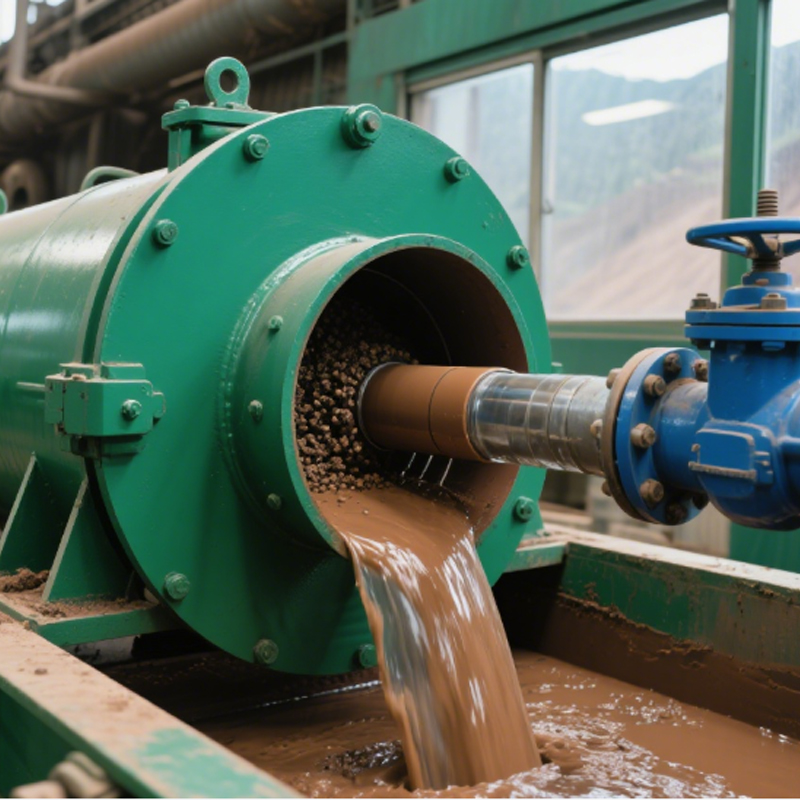
Wet Drum Separators — for slurry with particle sizes below 3 mm
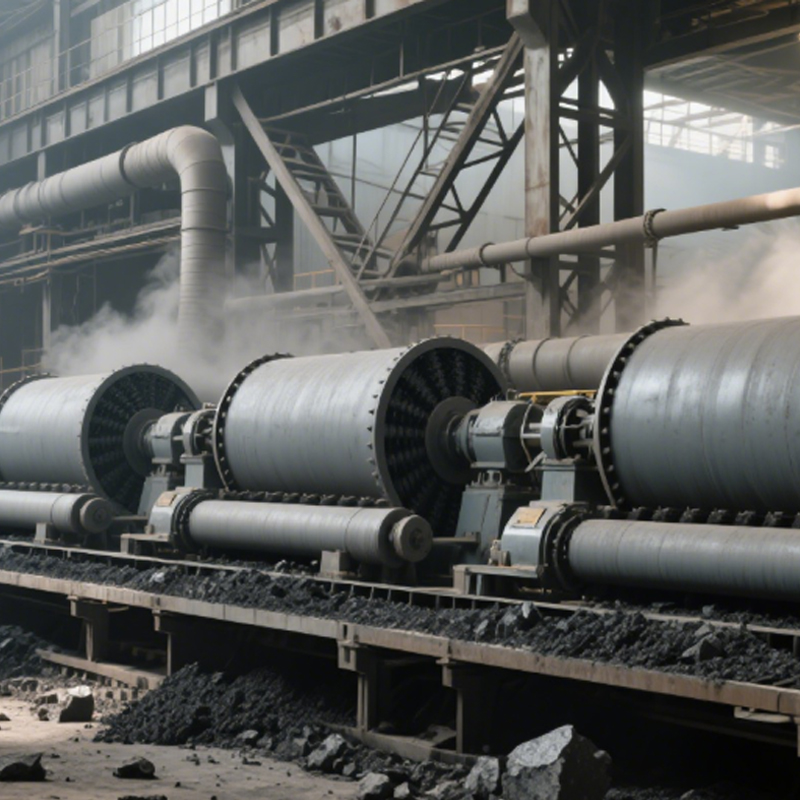
Dry Drum Separators — for powders and dry bulk materials
High-Intensity Roll Separators — up to 15,000 Gauss for fine particle and rare earth mineral processing
3. Stable Continuous Operation
Built for 24/7 industrial production. Wet drum models process 0.5 to 180 t/h; high-capacity custom units reach up to 200 t/h depending on material and configuration.
Magnetic field strength adjustment
Drum diameter and length customization
Processing capacity adjustment
Wet or dry separation structure selection
Automatic cleaning system design
Stainless steel material options
Food-grade or industrial-grade configurations
Packaging
Standard Export Packaging
Most Mineral Processing Magnetic Separators are packed in wooden cases or plywood boxes to withstand long-distance transportation and rough handling.
Internal protection includes:
Foam padding
Bubble wrap protection
Fixed protection for motors and control panels
Large drum separators may use customized packaging dimensions according to equipment size.
Material-Specific Packaging
Stainless steel housings: 304/316 stainless steel surfaces are sandblasted and wrapped with anti-corrosion film before shipment.
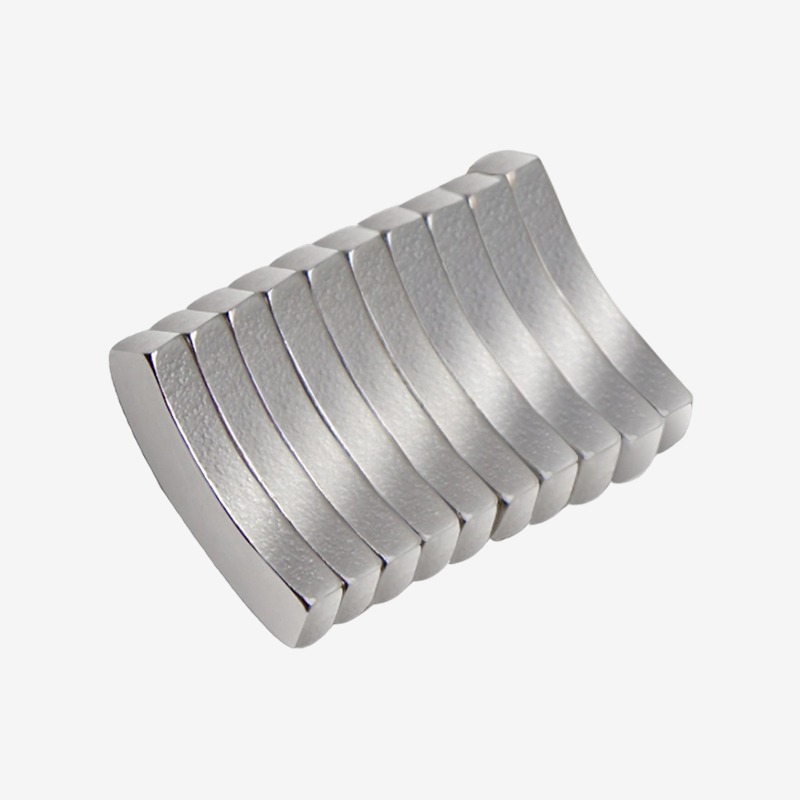
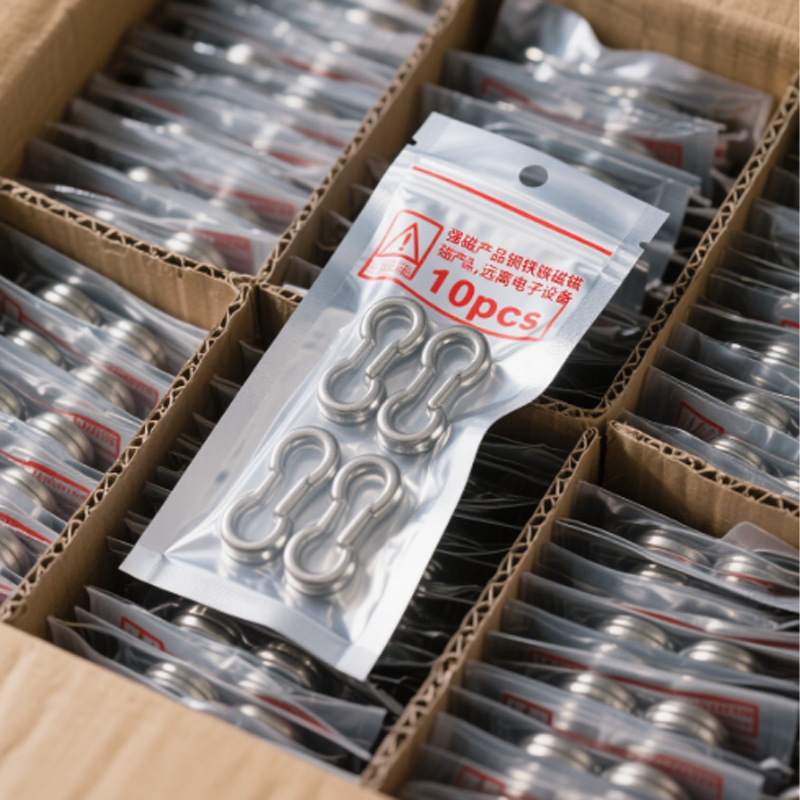
Rare earth magnet components: NdFeB magnetic parts are packed with magnetic shielding materials to prevent transportation interference.
Heavy equipment: Large units are palletized with moisture barriers for sea transportation.
Shipping Methods
Air freight: Suitable for lightweight units below 100 kg with reinforced carton packaging.
Sea freight: Suitable for bulk orders using pallets or containers with moisture protection.

1. Low Recovery Rate of Valuable Magnetic Materials
Customer Problem:
Traditional separation methods may fail to recover fine magnetic particles, resulting in material loss.
Solution:
Mineral Processing Magnetic Separators with higher magnetic intensity, including high-intensity roll separators up to 15,000 Gauss, improve the recovery capability for fine magnetic materials.
2. Different Materials Require Different Separation Methods
Customer Problem:
Mining and industrial materials vary in particle size, moisture level, and magnetic properties.
Solution:
Wet drum separators, dry drum separators, and high-intensity roll separators provide different configurations for slurry materials, powders, and fine mineral particles.
3. Equipment Corrosion and Maintenance Costs
Customer Problem:
Mining and industrial environments often expose equipment to moisture and abrasive materials.
Solution:
Stainless steel structures with epoxy or nickel protective coatings improve corrosion resistance and help extend service life.
1. What is the difference between wet and dry magnetic separators?
Wet magnetic separators are mainly used for slurry materials with particle sizes below 3 mm, while dry magnetic separators are suitable for powders or bulk materials without water processing.
2. How strong is the magnetic field of Mineral Processing Magnetic Separators?
The magnetic field strength depends on equipment type and application requirements. Standard models typically range from 800 to 8,000 Gauss, while high-intensity models can reach higher magnetic fields for fine particle separation.
3. Can magnetic separators be customized for different mineral materials?
Yes. Manufacturers can customize drum size, magnetic intensity, processing capacity, feeding structure, and cleaning systems based on customer production requirements.
4. What information should B2B buyers provide when requesting a quotation?
Customers should provide material type, particle size, processing capacity requirement, moisture condition, separation target, and installation environment to ensure accurate equipment selection.
5. How often does a magnetic separator require maintenance?
Maintenance requirements depend on operating conditions. Regular inspection of drums, magnets, belts, and cleaning systems helps maintain stable operation and reduce downtime.
6. Can Mineral Processing Magnetic Separators work in high-temperature environments?
Standard models generally operate at temperatures up to 80°C. Oil-cooled electromagnetic models can support applications up to 150°C.
7. What industries commonly purchase magnetic separators?
Main buyers include mining companies, mineral processing plants, recycling facilities, ceramic manufacturers, food processing companies, and steel manufacturers.
8. What is the typical lead time for customized magnetic separators?
Customized designs usually require around 10–30 days depending on equipment structure, size, and technical requirements. Exact delivery time depends on project specifications and production schedule.


 English