1. Stable Performance Across Temperature Changes
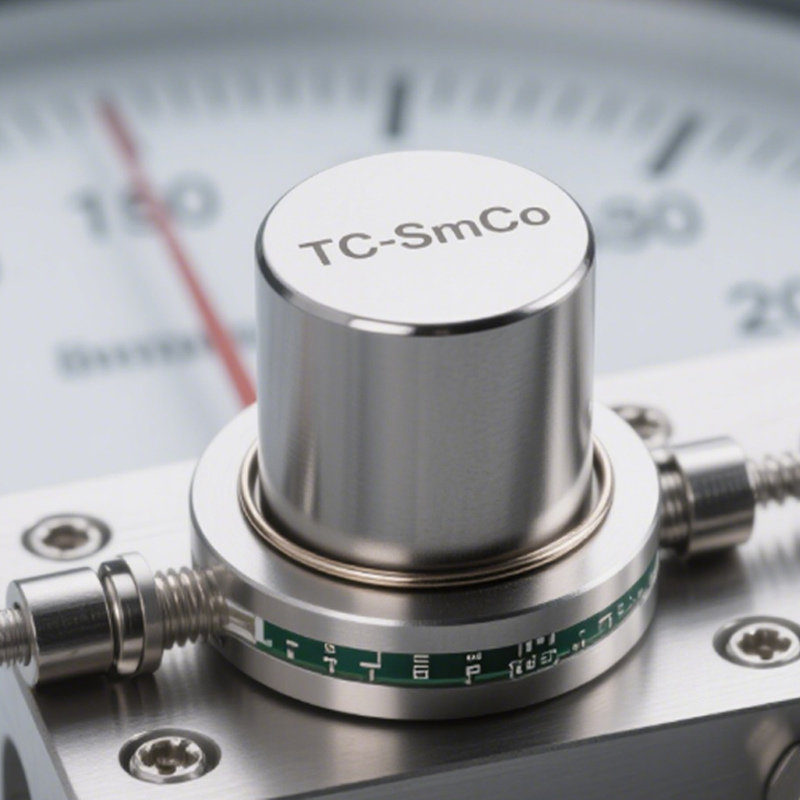
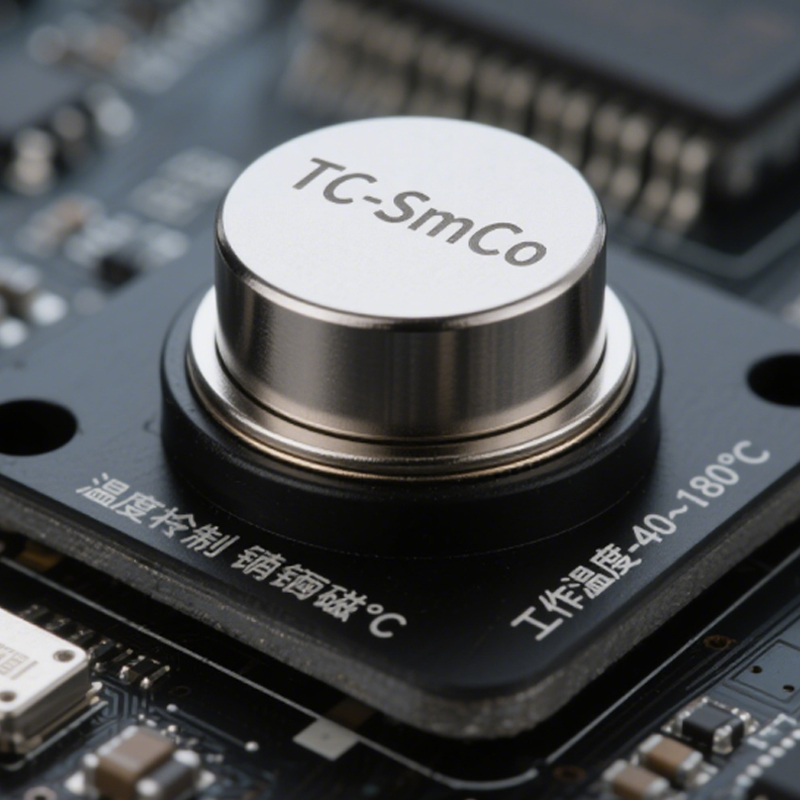
Temperature-Compensated SmCo Magnets minimize magnetic output drift caused by temperature variation. With a near-linear B-H curve from -65°C to 300°C, they help precision equipment maintain consistent magnetic performance during thermal fluctuations.
2. Reduced Thermal Magnetic Drift for Precision Applications
Designed for applications where small magnetic changes affect system accuracy. Controlled temperature coefficients (αBr and αHcj) minimize signal variation — ideal for aerospace sensors, medical equipment, and measurement devices.
3. Reliable in Harsh Environments
SmCo materials naturally resist corrosion and high temperatures. Perform reliably through temperature cycling, vacuum, and corrosive conditions — reducing replacement and maintenance frequency.
OEM/ODM capabilities include:
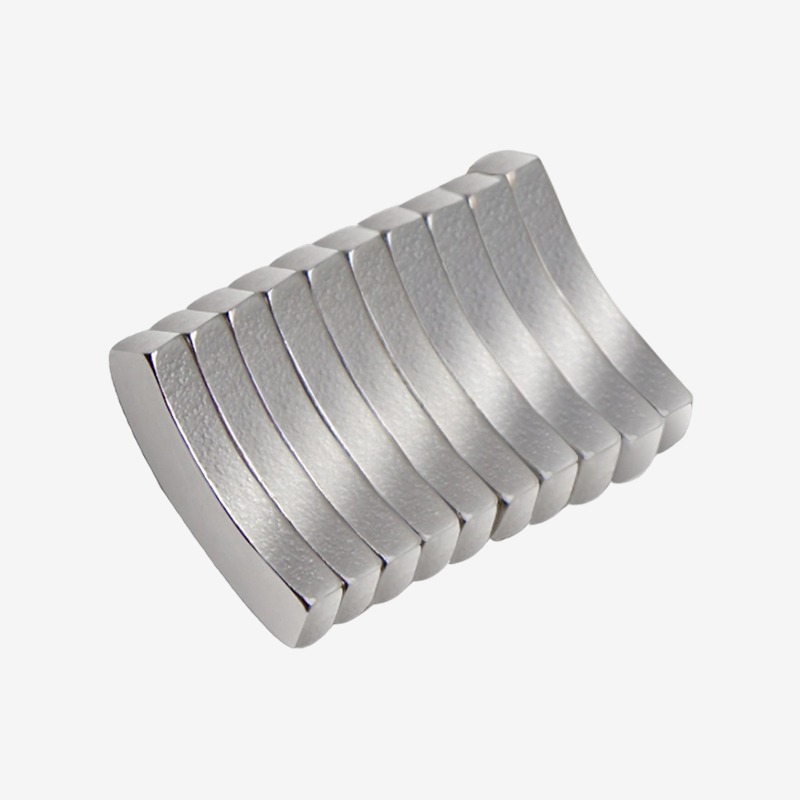
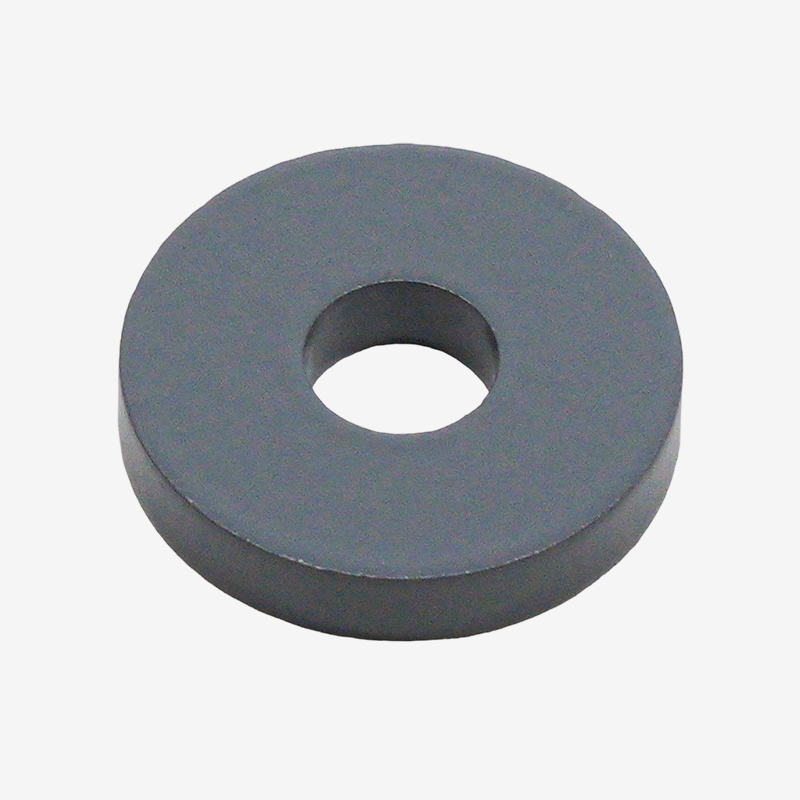
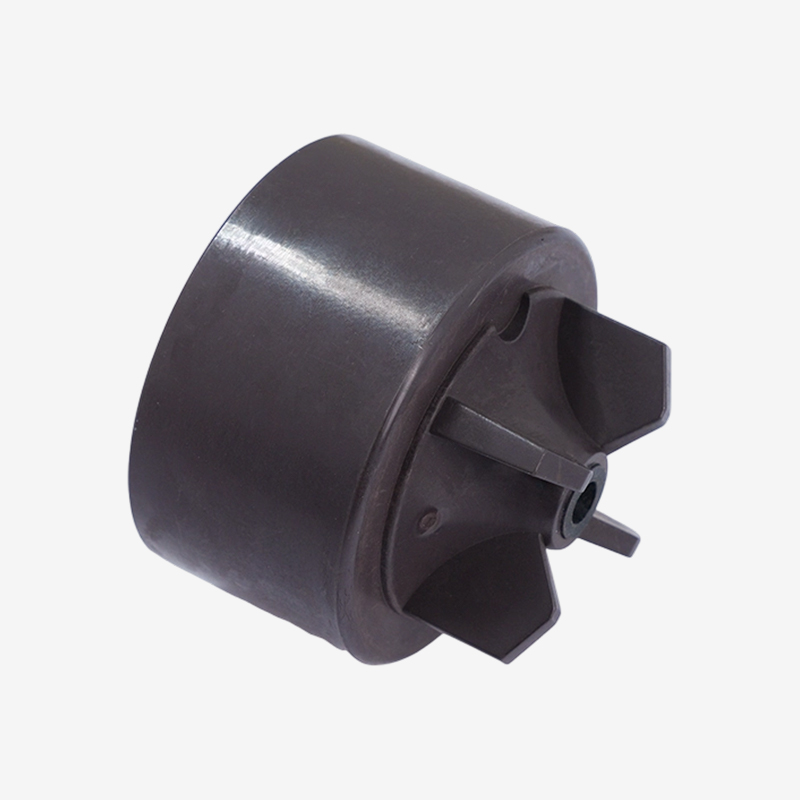
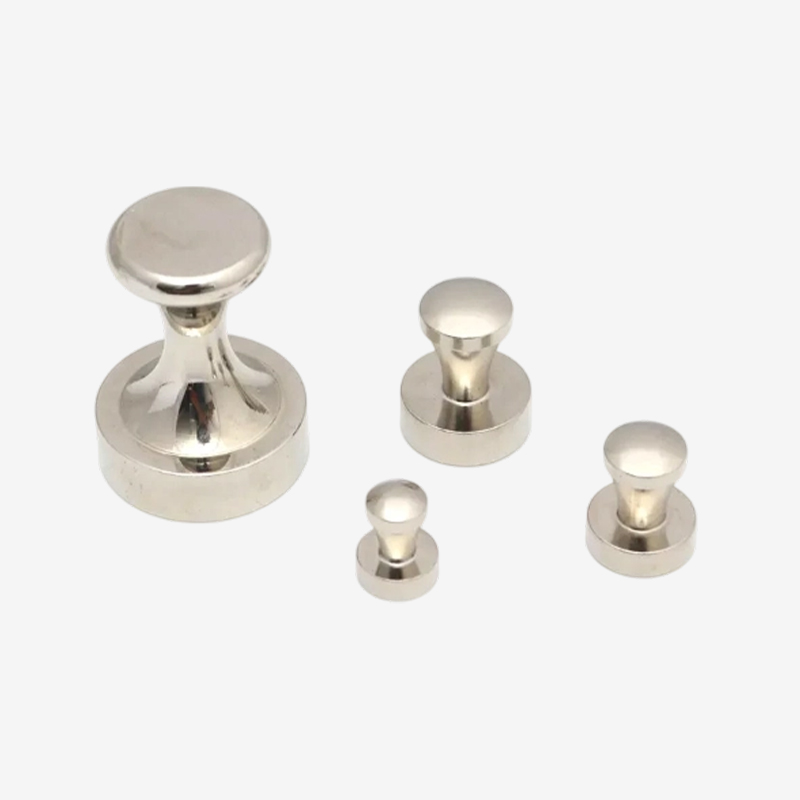
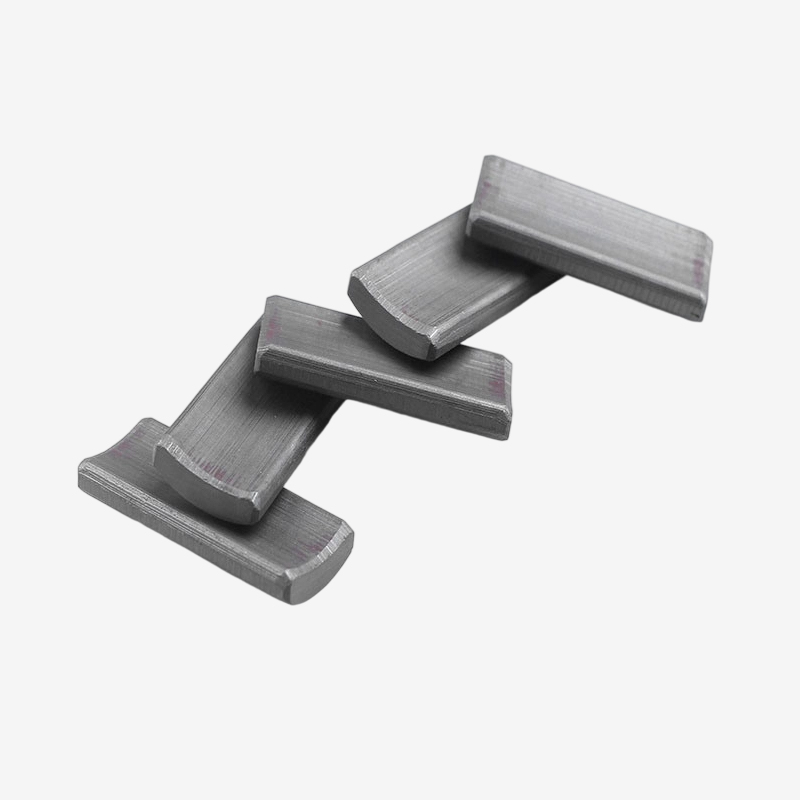
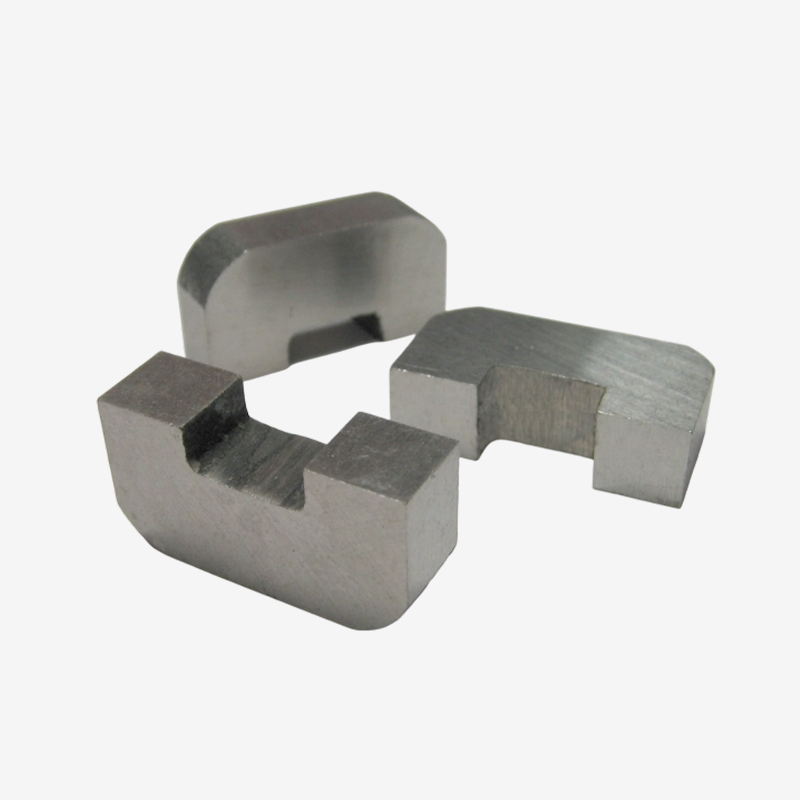
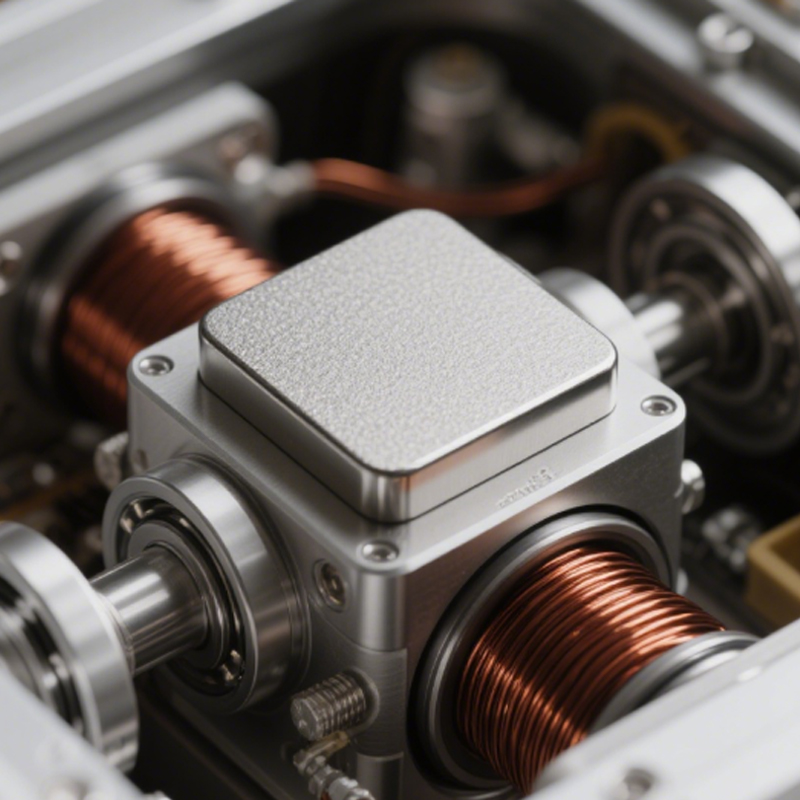
Custom magnet shapes: Block magnets, ring magnets, arc magnets, segmented magnets, customized structures
Custom magnetic performance: Adjustable magnetic properties according to operating temperature and application requirements
Custom coatings: Nickel coating, Parylene coating, Gold/Zinc coating, Epoxy protection
Nickel (Ni): Enhances solderability for electronic assemblies (e.g., PCB-mounted sensors)
Parylene: Used in medical devices (e.g., MRI gradient coils) to prevent biocompatibility issues
Gold/Zinc: Low-resistivity coatings for high-frequency applications (e.g., microwave tubes)
Epoxy: Mechanical protection in industrial settings (e.g., oil drilling equipment)
Packaging
Standard packaging includes:
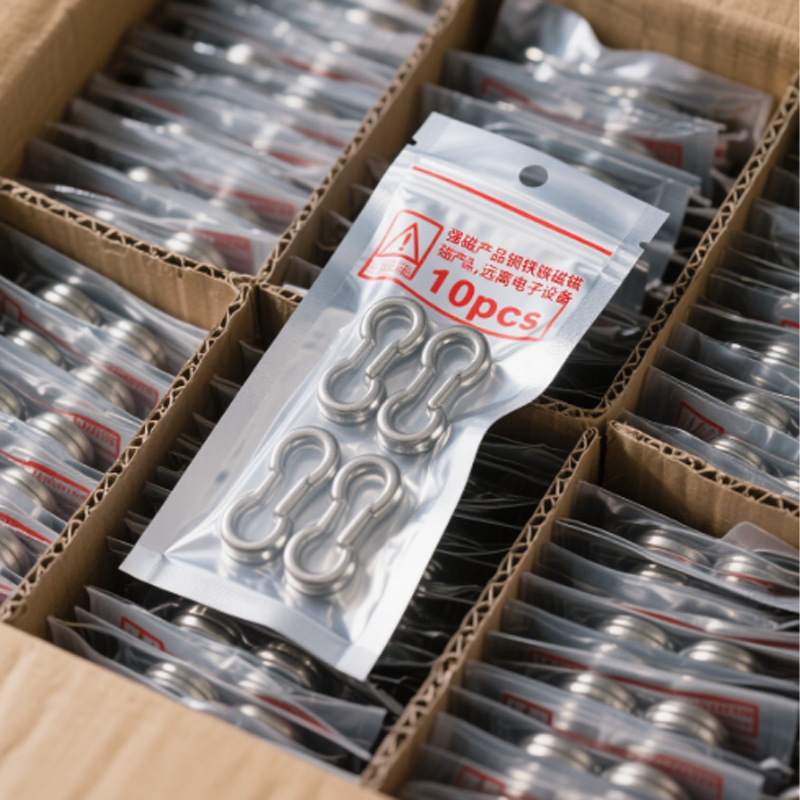
Individual protection: Each magnet is wrapped with anti-static foam or plastic protection to prevent collision and surface damage.
Bulk packaging: Magnets are packed in cartons or wooden crates with protective separators for large-volume orders.
Industrial packaging: Palletized packaging with moisture-resistant barriers and vacuum-sealed protection for special storage conditions.
Shipping requirements: Packaging can be customized according to transportation regulations, including special requirements for aerospace or defense-related shipments.

Problem: Magnetic performance changes significantly under temperature variation
Solution: Temperature-Compensated Samarium Cobalt (SmCo) Magnets are designed with optimized temperature coefficients, helping reduce magnetic drift and maintain stable output in temperature-changing environments.
Problem: Traditional magnets cannot meet high-temperature application requirements
Solution: SmCo materials provide superior thermal stability compared with conventional rare-earth magnets, making them suitable for applications involving high temperatures and continuous operation.
Problem: Precision equipment requires stable magnetic signals
Solution: Temperature-compensated grades reduce magnetic fluctuations, improving reliability in precision sensors, aerospace systems, and medical equipment.
Problem: Equipment maintenance costs are too high
Solution: The excellent corrosion resistance and temperature stability of SmCo magnets help extend service life and reduce replacement frequency.
Q1: What are Temperature-Compensated Samarium Cobalt (SmCo) Magnets used for?
Temperature-compensated SmCo magnets are mainly used in applications requiring stable magnetic performance under temperature changes, including aerospace equipment, medical systems, energy equipment, and precision electronics.
Q2: How do temperature-compensated SmCo magnets reduce magnetic changes?
They reduce temperature-related magnetic variation through optimized alloy composition and microstructure control, including adjustments to temperature coefficients such as αBr and αHcj.
Q3: Why choose SmCo magnets instead of NdFeB magnets for temperature-sensitive applications?
SmCo magnets provide better thermal stability and corrosion resistance, while NdFeB magnets generally offer higher room-temperature magnetic strength. The suitable choice depends on operating conditions and performance requirements.
Q4: Can Temperature-Compensated Samarium Cobalt Magnets be customized for OEM projects?
Yes. Manufacturers can customize magnet dimensions, magnetic grades, magnetization direction, coatings, and temperature compensation performance according to customer requirements.
Q5: Are coatings necessary for temperature-compensated SmCo magnets?
SmCo magnets naturally have good corrosion resistance, so coatings are usually optional. However, coatings such as Nickel, Parylene, Gold/Zinc, or Epoxy can be selected for specific requirements such as solderability, biocompatibility, or mechanical protection.
Q6: Can these magnets be machined after sintering?
Yes, but SmCo magnets are brittle materials and require specialized machining methods such as diamond tools or EDM to avoid damage.
Q7: What information should buyers provide for customized orders?
Customers should provide application environment, operating temperature range, required magnetic performance, magnet dimensions, magnetization direction, quantity requirements, and coating requirements.
Q8: What industries commonly purchase temperature-compensated SmCo magnets?
Major purchasing industries include aerospace, defense, medical equipment manufacturers, energy companies, industrial automation suppliers, and precision electronics manufacturers.


 English