|
Product Name
|
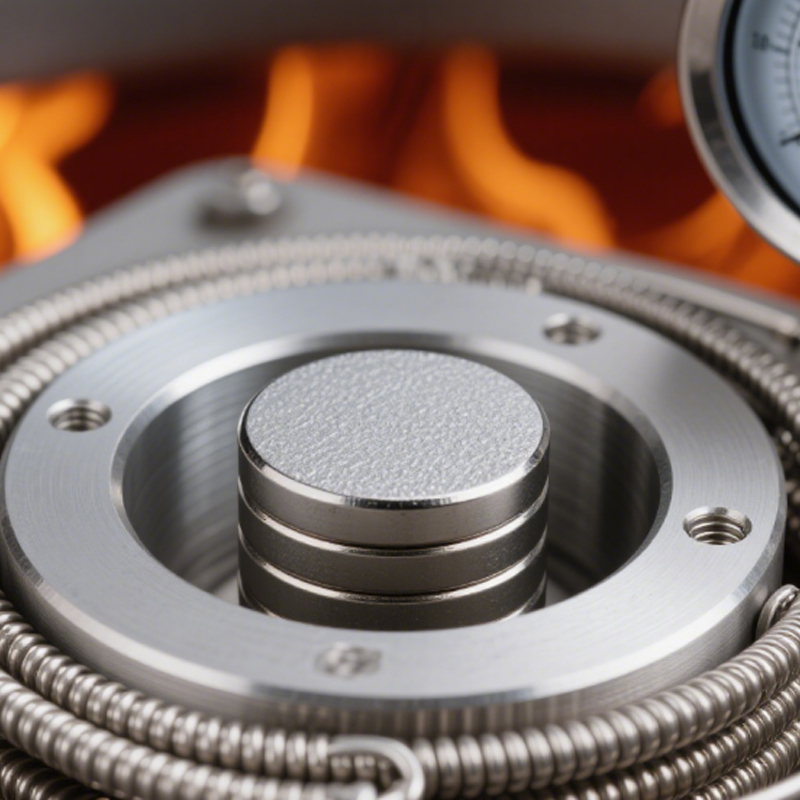
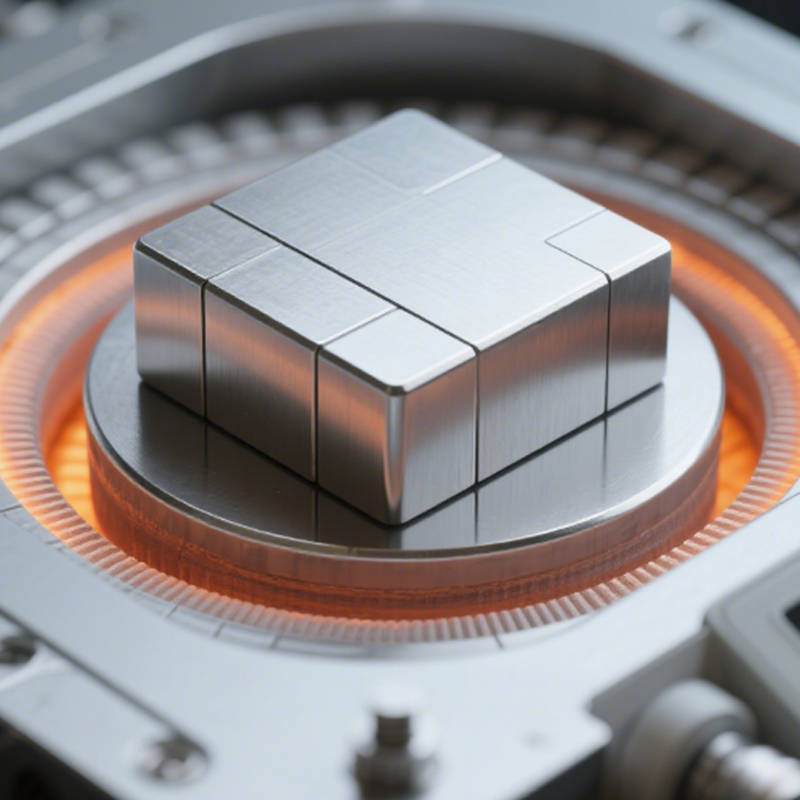
Ultra-High Temperature Samarium Cobalt (SmCo) Magnets
|
|
Magnet Type
|
Rare-earth permanent magnet
|
|
Material Grade
|
Sm₂Co₁₇
|
|
Main Composition
|
Samarium, cobalt, iron, copper, zirconium
|
|
Alloy Type
|
Sm₂Co₁₇ (2:17 series)
|
|
Samarium Content
|
Approximately 25%
|
|
Maximum Energy Product ((BH)max)
|
26–34 MGOe (208–272 kJ/m³)
|
|
Residual Induction (Br)
|
1.02–1.18 T (10,200–11,800 Gauss)
|
|
Coercive Force (Hc)
|
2,400–2,800 kA/m
|
|
Operating Temperature Range
|
-65°C to 550°C
|
|
Maximum Short-Term Temperature
|
550°C
|
|
Curie Temperature
|
800–850°C
|
|
Reversible Temperature Coefficient (αBr)
|
-0.03%/°C
|
|
Density
|
8.3–8.5 g/cm³
|
|
Tensile Strength
|
40–85 MPa
|
|
Shape
|
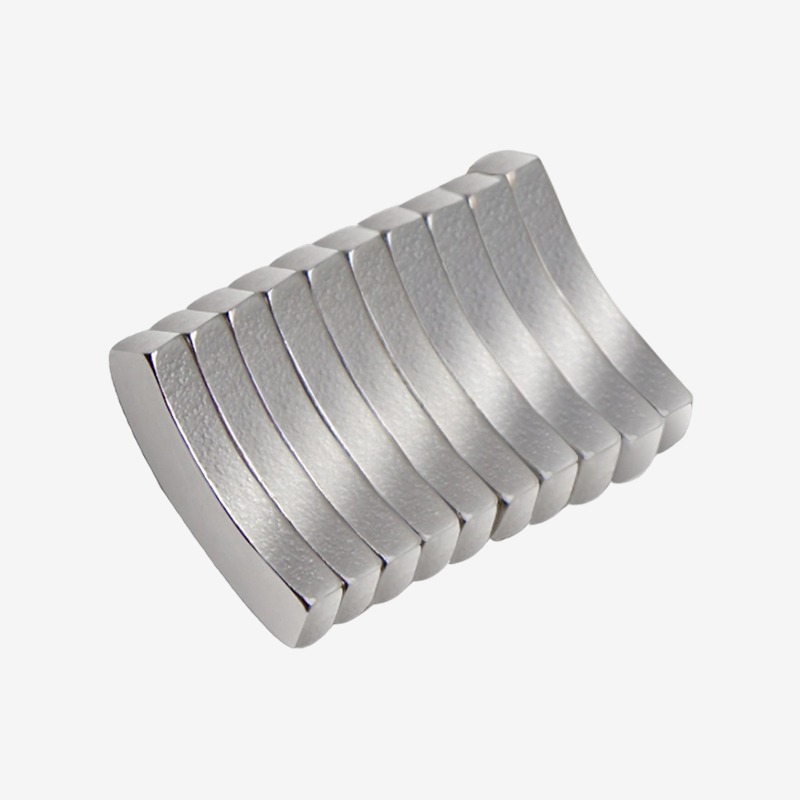
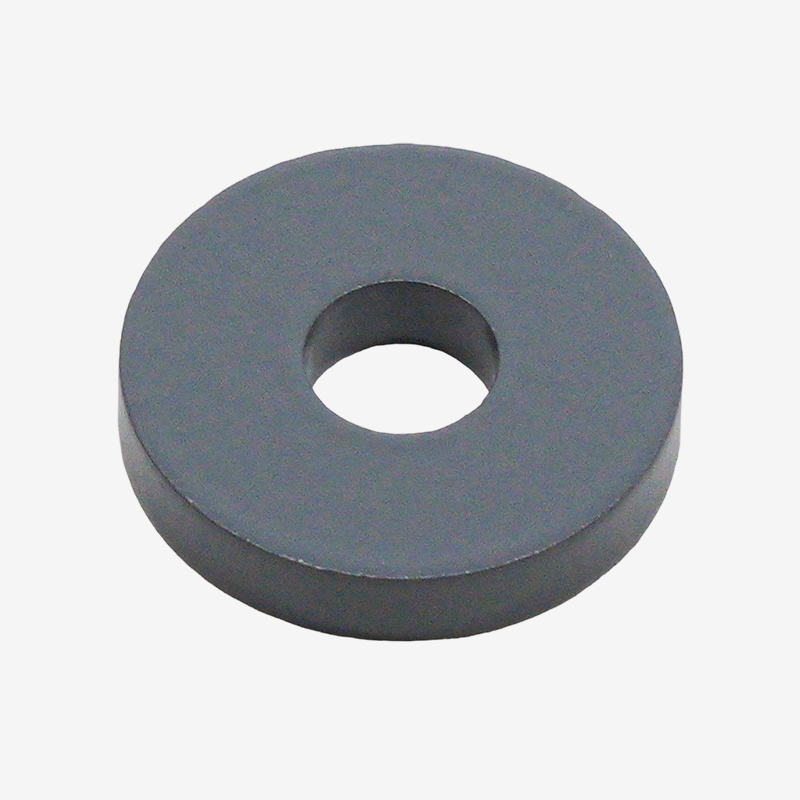
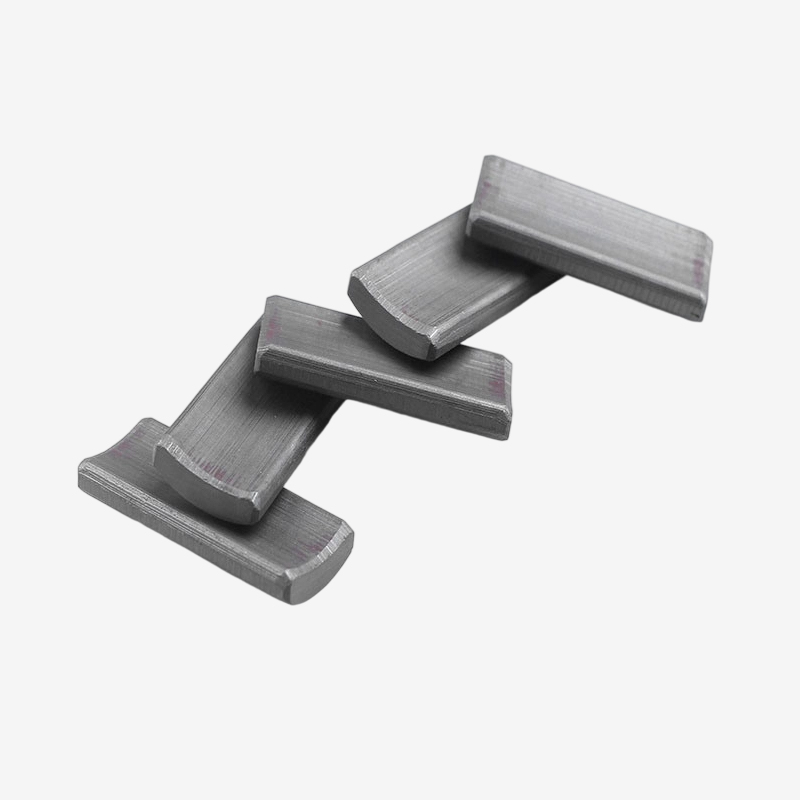
Block, ring, arc, segment, custom geometry
|
|
Magnetization Direction
|
|
|
Dimensional Tolerance
|
|
|
Grade Category
|
Grade
|
Br (Remanence)
|
Max. Operating Temperature
|
Typical Applications
|
|
Standard High-Temp Grades
|
YXG-26
|
≥1.02 T
|
Up to 350°C
|
Aerospace motors
|
|
|
YXG-30
|
≥1.15 T
|
Up to 450°C
|
Oil drilling sensors
|
|
Ultra-High-Temp Custom Grades
|
Zhiyu UHT-550
|
≥1.18 T
|
Optimized for 550°C
|
Hydrogen compressors, satellite systems
|
|
|
SDM HT-500
|
Custom
|
Linear B-H curve up to 500°C
|
Defense gyroscopes
|
Ultra-High Temperature Samarium Cobalt (SmCo) Magnets are widely used in industries requiring reliable magnetic performance under extreme conditions.
Aerospace/Defense: Satellite orientation systems (drift <10⁻⁵°/hr), missile guidance, jet engine sensors (FAA-compliant)
Energy: Downhole drilling sensors (175°C+), wind turbine generators
Medical: MRI gradient coils (0.1 T/m precision), surgical robotics
Industrial: High-speed motors, hydrogen compressors, 5G infrastructure
1. Stable at Ultra-High Temperatures
Ultra-High Temperature SmCo Magnets operate from -65°C to 550°C. Optimized Sm₂Co₁₇ composition maintains stable magnetic output — reducing thermal degradation risks in aerospace, energy, and high-temperature industrial systems.
2. High Coercivity — Resists Demagnetization
Coercive force: 2,400–2,800 kA/m. Resists demagnetization from high heat, external fields, and harsh conditions. Ensures long-term magnetic stability in precision equipment.
3. Excellent Thermal Stability
Reversible temperature coefficient (αBr): -0.03%/°C. Minimizes magnetic performance drift across temperature cycles — more consistent than standard permanent magnets.
4. Naturally Corrosion-Resistant
No heavy protective coatings needed. Material composition provides oxidation and corrosion resistance — reliable in humidity, vacuum, chemicals, and long-term exposure.
1. Customized Shapes and Dimensions
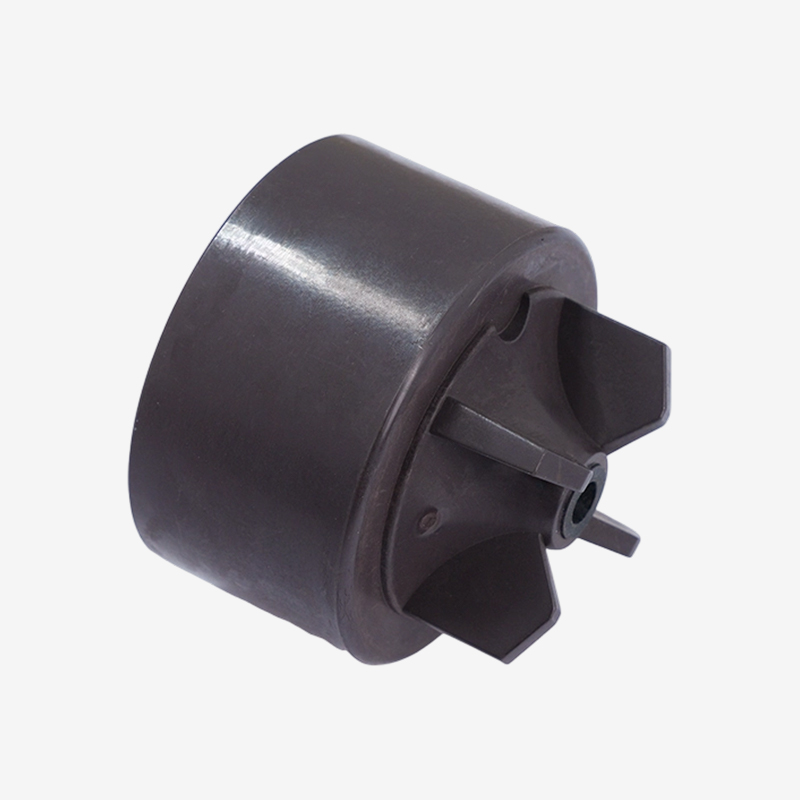
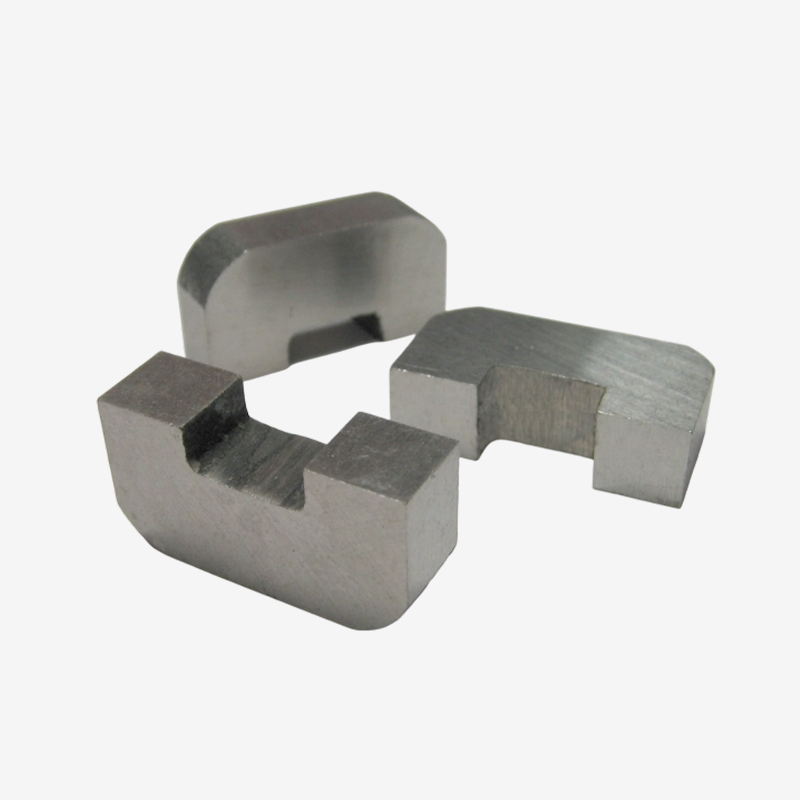
Manufacturers can provide customized magnet structures according to customer drawings and application requirements.
Available designs include: blocks, rings, arc magnets, tiles, multi-segment magnet assemblies.
2. Customized Magnetic Performance
Customers can select different magnetic grades according to operating temperature, magnetic output requirements, and environmental conditions.
Customization options include: high-temperature grades, high-coercivity grades, customized SmCo compositions.
3. Surface Treatment Options
Although SmCo magnets have natural corrosion resistance, additional coatings can be provided for special applications.
Parylene: For medical/MRI components to prevent biocompatibility issues
Nickel (Ni): Enables soldering for PCB integration (e.g., 5G communication devices)
Gold/Zinc: Low-resistivity coatings for high-frequency electronics (10–40 GHz)
Epoxy Cladding: Mechanical protection in industrial settings (e.g., turbine sensors)
Packaging
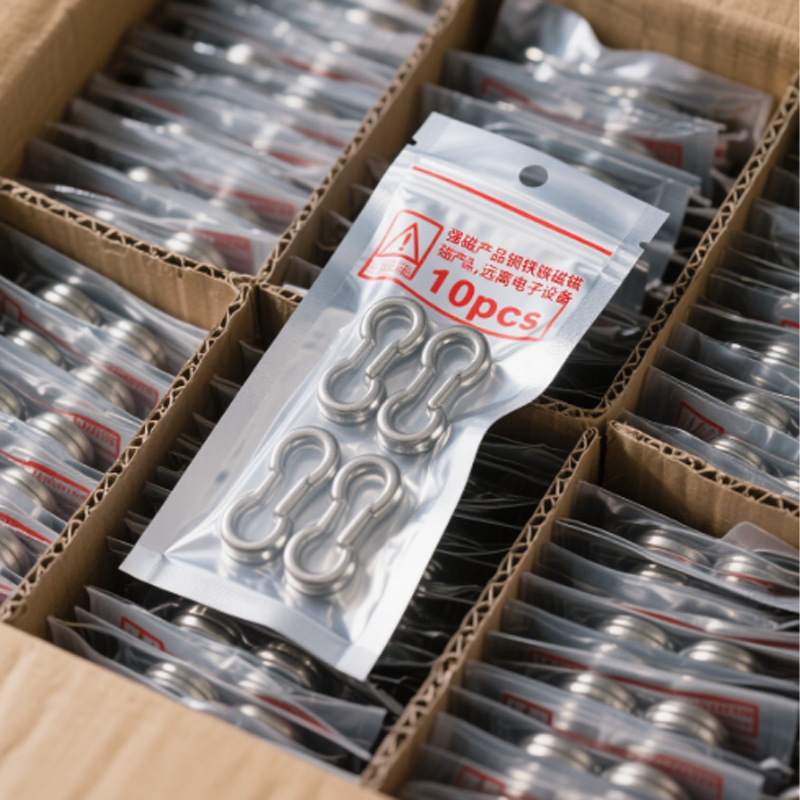
Standard packaging includes individually wrapping magnets with anti-static foam or plastic protection before placing them into cartons or wooden crates.
For bulk orders, magnets are usually palletized with moisture-resistant barriers. Vacuum-sealed packaging can also be provided for specific storage requirements.
Export packaging options include: anti-static foam, plastic protection, cartons, wooden crates, pallet packaging.
Defense-related shipments can be prepared according to ITAR transportation requirements.

1. Solving Magnetic Performance Loss at High Temperatures
Many industrial systems experience magnetic degradation when operating at elevated temperatures. Ultra-High Temperature Samarium Cobalt (SmCo) Magnets provide stable performance up to 550°C, helping improve equipment reliability.
2. Reducing Maintenance Requirements in Harsh Environments
For applications exposed to humidity, corrosion, or vacuum conditions, frequent replacement increases operating costs. SmCo magnets provide natural corrosion resistance and long service stability.
3. Supporting Compact and High-Performance Equipment Design
Modern equipment requires smaller and lighter components. Ultra-High Temperature Samarium Cobalt (SmCo) Magnets provide strong magnetic performance while supporting compact product designs.
1. What are Ultra-High Temperature Samarium Cobalt (SmCo) Magnets?
They are advanced Sm₂Co₁₇ permanent magnets designed for extreme temperature environments with high thermal stability and corrosion resistance.
2. How do Ultra-High Temperature SmCo Magnets compare with NdFeB magnets?
SmCo magnets provide better temperature resistance and corrosion resistance, while NdFeB magnets generally provide higher room-temperature magnetic strength.
3. Can Ultra-High Temperature SmCo Magnets be customized?
Yes. Manufacturers can customize dimensions, shapes, magnetic grades, magnetization directions, and coatings according to customer requirements.
4. Why are Ultra-High Temperature SmCo Magnets expensive?
The cost is mainly related to the high content of samarium and cobalt materials and the complex sintering and heat treatment processes.
5. Can these magnets work in vacuum environments?
Yes. Their excellent thermal stability and corrosion resistance make them suitable for vacuum and aerospace applications.
6. Can Ultra-High Temperature SmCo Magnets be machined?
Yes, but due to their brittleness, machining usually requires diamond tools or EDM processing.
7. What information should B2B buyers provide when requesting a quotation?
Customers should provide:magnet dimensions, magnetic grade, operating temperature, application environment, quantity, packaging requirements.
8. Are samples available before mass production?
Yes. Samples can be provided for magnetic performance verification before bulk production.
9. What industries commonly purchase Ultra-High Temperature SmCo Magnets?
Main industries include:aerospace, defense, medical equipment, energy systems, industrial automation, high-temperature electronics.
10. Do Ultra-High Temperature SmCo Magnets require additional coatings?
Not always. Additional coatings are mainly selected for special requirements such as medical, electronic, or mechanical protection applications.


 English